
Duration
12 Days
DIFFICULTY
Medium
GROUP SIZE
1-12
MAX. ALTITUDE
3150
Best Season
Whole Year
Accomodation
Hotel
Overview
Helambu Trek combines natural beauty with cultural richness, offering a blend of moderate trekking challenges. From Kathmandu, one gets to drive up to Sundarijal for an hour, followed by trekking through Shivapuri National Park into Chisapani. During the next days, trekkers go through various sceneries in landscapes that gently slope up towards Kutumsang and then on to Tharepati at an altitude of 3,650 meters. From here, the trekking route drops down to Melamchi Gaun, a quiet village in its peaceful environment and local hospitality with traditional architecture.
Trekking onward on Helambu Trek, passes through two culturally rich villages, Tarke Gyang and Sermathang villages, which give trekkers an insight into the culture and tradition of the Sherpa and Tamang communities respectively. These villages provide an opportunity to enjoy unique insights into the local way of life with monasteries, prayer flags, and stone houses adding to the cultural feel. The final leg of the journey descends into Melamchi Bazaar, from where a drive is taken back to Kathmandu. The time is spring or sautumn, offering clear skies, temperate temperatures, and vibrant landscapes. By and large, Helambu Trek contains the appropriate continuation of rewarding trekking around Kathmandu because of the fact that natural splendor combines with cultural investigation.
Highlights of the Helambu Trek
- Explore Kathmandu’s UNESCO Heritage sites with a guided tour.
- Trek through Shivapuri National Park, featuring waterfalls, forests, and mountain views.
- Visit traditional Hyolmo villages like Melamche Gaun and Tarkeghayang, rich in culture.
- Enjoy stunning views of the Langtang and Jugal Himal ranges.
- Discover ancient monasteries and local traditions.Moderate trekking hours, suitable for both beginners and experienced trekkers.
- Experience Nepal’s festive atmosphere during Dashain and Tihar.
Outline Itinerary
Day Itinerary
Day 1 Arrival in Kathmandu and transfer to hotel (1,400m)
Day 2 Drive to Sundarijal and trek to Chisapani (2,200m)
Day 3 Trek Chisapani to Gul Bhanjyang ( 2,150m)
Day 4 Trek Gul Bhanjyang to Kutumsang ( 2,470m)
Day 5 Trek Kutumsang to Tharepati ( 3,650m)
Day 6 Trek Tharepati to Melamchi Gaun ( 2,600m)
Day 7 Trek Melamchi Gaun to Tarkeghyang (2,560m)
Day 8 Trek Tarkeghyang to Sermathang ( 2,500m)
Day 9 Trek Sermathang to Melamchi Pul Bazaar (Approx. 870m)
Day 10 Drive Melamchi Pul Bazaar to Kathmandu(1,400m)
Day 11 Free day in Kathmandu and farewell dinner
Day 12 Airport transfer and departure —
Walking hours and overnight locations may change slightly depending on trail conditions, weather, accommodation availability, and the pace of the group.
Detailed Itinerary
Day 1: Arrival in Kathmandu (1,400m)
Upon arrival at Tribhuvan International Airport, our representative will welcome you at the airport and transfer you to your hotel.
After checking in, you can relax after your international journey or explore the nearby streets of Thamel. If your arrival time permits, you can also enjoy some of Kathmandu’s cultural and historical atmosphere.
In the evening, our team will provide a briefing about the Helambu Trek, including the itinerary, safety information, equipment, and other important preparations.
Overnight: Hotel in Kathmandu.
Day 2: Drive to Sundarijal and Trek to Chisapani (2,200m)
After breakfast, drive for approximately one hour from Kathmandu to Sundarijal, the starting point of the trek.
From Sundarijal, the trail enters Shivapuri National Park and follows a beautiful forested route. You will walk beside streams and waterfalls and gradually climb through the forest.
The trail continues toward Mulkharka, a traditional Tamang settlement, before continuing through forests and hillside landscapes to Chisapani.
Chisapani is well known for its beautiful mountain views and peaceful hilltop setting.
Walking: Approximately 4–5 hours.
Overnight: Teahouse in Chisapani.
Day 3: Trek Chisapani to Gul Bhanjyang (2,150m)
After breakfast, begin your trek through forests, farmland, and small mountain settlements.
The trail includes gradual ascents and descents, offering a pleasant introduction to the Helambu landscape. On clear days, you can see parts of the Langtang and Jugal Himalayan ranges.
Continue toward Gul Bhanjyang, a traditional hill settlement surrounded by green hills and farmland.
Walking: Approximately 5–6 hours.
Overnight: Teahouse in Gul Bhanjyang.
Day 4: Trek Gul Bhanjyang to Kutumsang (Approximately 2,470m)
Today, the trail continues through peaceful forests and rural settlements toward Kutumsang.
You will walk through oak and rhododendron forests, with occasional views across the surrounding hills. The trail also passes terraced farmland and traditional villages.
Kutumsang is a beautiful settlement in the Helambu region and provides a pleasant place to spend the night before the route climbs toward Tharepati.
Walking: Approximately 5–6 hours.
Overnight: Teahouse in Kutumsang.
Day 5: Trek Kutumsang to Tharepati (Approximately 3,650m)
Today is one of the more challenging sections because the trail gradually gains significant altitude.
The route passes through beautiful rhododendron and oak forests and continues toward the higher mountain terrain of Helambu.
After several hours of walking, you reach Tharepati, at approximately 3,650 meters. This is the highest point of the itinerary.
Weather permitting, the higher sections offer impressive views toward the surrounding Himalayan ranges.
Take time to rest and allow your body to adjust to the increasing altitude.
Walking: Approximately 6–7 hours.
Overnight: Teahouse in Tharepati.
Day 6: Trek Tharepati to Melamchi Gaun (2,600m)
After breakfast, begin the descent from Tharepati toward Melamchi Gaun.
The trail passes through forests and mountain landscapes before reaching the traditional Hyolmo village.
Melamchi Gaun offers an opportunity to experience local culture, traditional architecture, Buddhist practices, and the lifestyle of the mountain communities.
You can explore the village and visit local cultural and religious sites if time permits.
Walking: Approximately 5–6 hours.
Overnight: Teahouse in Melamchi Gaun.
Day 7: Trek Melamchi Gaun to Tarkeghyang (2,560m)
Today, continue toward Tarkeghyang, one of the culturally significant villages of the Helambu region.
The trail passes through forests, terraced fields, meadows, and traditional settlements. You may cross suspension bridges along the way.
Tarkeghyang is known for its Buddhist heritage, monastery, prayer flags, mani walls, and traditional houses.
Enjoy the peaceful atmosphere of the village and surrounding mountains.
Walking: Approximately 5–6 hours.
Overnight: Teahouse in Tarkeghyang.
Day 8: Trek Tarkeghyang to Sermathang (2,500m)
Today is a relatively comfortable trekking day.
The trail passes through forests, fields, rolling hills, and small settlements before reaching Sermathang.
Sermathang is a picturesque village with Buddhist cultural influences and views toward the surrounding mountain ranges.
After arrival, explore the village or simply relax and enjoy the peaceful Himalayan environment.
Walking: Approximately 5–6 hours.
Overnight: Teahouse in Sermathang.
Day 9: Trek Sermathang to Melamchi Pul Bazaar
After breakfast, begin the final trekking section.
The trail gradually descends through terraced farmland, forests, villages, and rural landscapes. As you lose altitude, the vegetation and climate gradually change.
Eventually, you reach Melamchi Pul Bazaar, an important local commercial and transportation center in the region.
This marks the end of the walking section of the Helambu Trek.
Walking: Approximately 5–6 hours.
Overnight: Hotel or teahouse in Melamchi Pul Bazaar.
Day 10: Drive Melamchi Pul Bazaar to Kathmandu
After breakfast, drive back to Kathmandu.
The journey follows winding mountain roads through hills, villages, rivers, and rural landscapes. Road conditions and traffic can affect the actual travel time.
After arriving in Kathmandu, check into your hotel and spend the remainder of the day relaxing, shopping, or exploring the city.
Driving: Approximately 5–6 hours, depending on road and traffic conditions.
Overnight: Hotel in Kathmandu.
Day 11: Free Day in Kathmandu and Farewell Dinner
Today is a free day in Kathmandu.
You can relax at the hotel, shop for souvenirs, explore Thamel, visit cultural attractions, or enjoy the city’s restaurants and cafés.
In the evening, join our farewell dinner featuring traditional Nepali cuisine and a cultural program with local music and dance.
Overnight: Hotel in Kathmandu.
Day 12: Departure
Your Helambu Trek comes to an end today.
According to your flight schedule, our representative will transfer you from your hotel to Tribhuvan International Airport for your international departure.
We hope you return home with wonderful memories of the Himalayan landscapes, villages, culture, and people of Nepal.
Trek Facts
Trek Feature Details
Trek Duration 12 Days
Trekking Region Helambu / Langtang region
Highest Point Tharepati – approximately 3,650m
Trek Difficulty Moderate
Starting Point Sundarijal
Ending Point Melamchi Pul Bazaar
Accommodation Hotel and teahouses
Meals Breakfast, lunch and dinner during trekking
Guide Experienced local trekking guide
Porter Available as part of the package
Maximum Group Size 12 people
Best Seasons March–May and September–November
Helambu Trek Difficulty
The Helambu Trek is generally considered a moderate trek. It does not require technical climbing skills, but trekkers should be prepared for several hours of walking each day, including uphill and downhill sections.
The highest point is approximately 3,650 meters at Tharepati, so altitude should still be taken seriously.
Good preparation includes regular walking, hiking, stair climbing, and cardiovascular exercise before arriving in Nepal.
People with previous hiking experience will generally find the route manageable, while first-time trekkers should prepare adequately for consecutive days of walking.
Altitude and Acclimatization
Although Helambu is not an extreme high-altitude trek, the route reaches approximately 3,650 meters at Tharepati.
Altitude-related symptoms can occur at higher elevations. Common symptoms may include headache, tiredness, dizziness, loss of appetite, or difficulty sleeping.
Our trekking guide will monitor the group and advise you to walk at a comfortable pace, drink sufficient water, and inform the guide immediately if you feel unwell.
Important: Do not continue ascending if you develop significant altitude-related symptoms without first consulting your guide.
Best Time for the Helambu Trek
Spring – March to May
Spring is one of the most popular seasons for the Helambu Trek. The weather is generally pleasant, mountain visibility can be excellent, and rhododendrons bloom along many forest sections.
This season is particularly attractive for nature lovers and photographers.
Summer/Monsoon – June to August
June to August is the monsoon season in Nepal. Rain can make trails wet and slippery, and leeches may be present in forested sections.
However, the landscape becomes very green and there are generally fewer trekkers.
Trekkers choosing this season should be prepared for rain and changing trail conditions.
Autumn – September to November
Autumn generally provides favorable trekking conditions, with cooler temperatures and good mountain visibility.
The countryside can be especially attractive during the harvest season, and trekkers may also experience Nepal’s major festivals depending on their travel dates.
Winter – December to February
Winter brings colder temperatures and fewer trekkers.
Higher sections can become cold and may receive snowfall depending on weather conditions. Trekkers traveling in winter should bring warm clothing and suitable equipment.
Accommodation
During the trek, you will stay in local teahouses/lodges.
Rooms are normally basic and generally arranged on a twin-sharing basis. Facilities are simpler than city hotels, particularly at higher elevations.
In Kathmandu, accommodation is provided in a tourist-standard hotel with breakfast according to the package arrangement.
Single rooms can be arranged where available for an additional single supplement.
Meals during the Trek
Three meals are provided during the trekking portion:
Breakfast
Lunch
Dinner
Typical teahouse menus may include:
Breakfast
Porridge
Muesli or cornflakes
Eggs
Omelets
Toast with butter, jam, or honey
Tibetan bread
Pancakes
Tea or coffee
Lunch and Dinner
Dal bhat
Noodles
Pasta
Fried rice
Soups
Momos
Vegetables
Potatoes
Chicken dishes where available
Food choices become more limited as you travel into remote mountain areas.
Drinking Water
Drinking water is available at teahouses and local settlements along the route.
You can purchase bottled or filtered water where available. We recommend using water purification tablets, a filtration system, or another suitable purification method when appropriate.
To reduce plastic waste, carrying a reusable water bottle is recommended.
Guide and Porter
An experienced local trekking guide will accompany the group throughout the trek.
The guide will assist with navigation, accommodation, meals, local communication, safety, and general trekking support.
Porters can carry the main trekking baggage, allowing you to walk with a lighter daypack.
We recommend keeping essential personal items, valuables, documents, medication, and a water bottle in your daypack.
Permits
The required trekking permits and applicable conservation or national park fees will be arranged according to the current regulations and route requirements.
Permit requirements can change, so the exact permits and fees will be confirmed at the time of booking.
Transportation
The package includes the road transportation specified in the itinerary:
Airport pickup in Kathmandu.
Kathmandu to Sundarijal by road.
Melamchi Pul Bazaar to Kathmandu by road.
Airport drop-off on departure.
Transportation may be provided by private vehicle, tourist vehicle, or another suitable vehicle depending on group size and road conditions.
What to Pack for the Helambu Trek
Clothing
Lightweight trekking shirts
Fleece or warm sweater
Down jacket
Waterproof/windproof jacket
Trekking trousers
Thermal base layers
Warm hat
Gloves
Wool or synthetic socks
Comfortable sleepwear
Footwear
Well-broken-in trekking boots
Comfortable sandals or camp shoes
Gaiters if traveling during wet or snowy conditions
Personal Equipment
Daypack
Duffel bag
Sleeping bag suitable for the season
Water bottles or hydration system
Headlamp with spare batteries
Sunglasses
Sunscreen
Lip balm
Personal toiletries
Small towel
Rain protection
Camera/phone and charging equipment
Power bank
Personal Medical Items
Personal prescription medicines
Basic first-aid supplies
Blister treatment
Water purification tablets or filter
Pack according to the season and expected weather conditions.
Cost Includes:
Airport pickup and drop-off in Kathmandu.
Tourist-standard hotel accommodation in Kathmandu with breakfast.
Accommodation in teahouses during the trek.
Breakfast, lunch, and dinner during the trekking period.
Experienced, licensed, English-speaking local trekking guide.
Porter service according to the agreed package.
Guide and porter wages, food, accommodation, and insurance.
Required trekking permits and applicable government fees.
Shivapuri National Park/conservation-related entry fees where required.
Ground transportation mentioned in the itinerary.
Trekking route coordination and necessary local arrangements.
Basic first-aid support from the trekking team.
Farewell dinner and cultural program in Kathmandu, according to the package.
Government taxes and applicable service charges.
Cost Excludes:
International flights.
Nepal entry visa fee.
Travel insurance.
Emergency evacuation by helicopter or other means.
Personal medical expenses.
Personal trekking equipment and clothing.
Bottled water and other personal drinks.
Snacks, desserts, alcoholic beverages, and other personal purchases.
Wi-Fi, charging, and communication costs where charged separately.
Laundry services.
Tips for guides, porters, and drivers.
Personal expenses and shopping.
Costs resulting from natural disasters, road closures, strikes, flight cancellations, or circumstances beyond the company’s control.
Any service not specifically mentioned under “Cost Includes.”
Travel Insurance
Travel insurance is required for the trek.
Your insurance should provide appropriate coverage for trekking in Nepal and should include emergency medical treatment and evacuation where applicable.
Please check your policy carefully before traveling to Nepal.
Booking and Payment
Reservation Deposit
A 15% deposit of the total package cost is required to confirm your reservation.
Remaining Balance
The remaining balance can be paid at our office after your arrival in Kathmandu, according to the agreed booking terms.
Airport Arrival
Our representative will meet you at Tribhuvan International Airport holding a Nepal Mountain Lovers Treks and Expedition signboard with your name or company name.
If your flight schedule changes, please inform us as soon as possible.
Group Size
Our standard group size is a maximum of 12 trekkers. Private and customized trips can also be arranged.
Room Arrangement
Twin-sharing accommodation is normally provided during the trip.
A single room can be arranged where available for an additional single supplement.
Luggage
During the trek, we recommend carrying only the luggage you need for trekking. Your excess luggage can normally be stored securely at your Kathmandu hotel.
The exact baggage allowance carried by porters will be confirmed before departure.
Health and Safety
Your safety is our priority throughout the trek.Our experienced trekking guide will monitor trail conditions, weather, altitude, and the general condition of the group.
Please inform your guide immediately if you experience unusual symptoms, injury, severe fatigue, or altitude-related problems.
The itinerary may be adjusted when necessary because of weather, trail conditions, health and safety considerations, or other circumstances beyond our control.
Communication and Internet
Mobile connectivity may be available in parts of the Helambu region, but coverage can be inconsistent in remote areas.
Wi-Fi may be available at some teahouses, sometimes for an additional fee.
Do not depend entirely on mobile internet during the trek.
Electricity and Charging
Electricity may be available at many teahouses, although charging facilities can be limited or may involve an additional fee.
We recommend carrying a power bank and keeping electronic devices protected from rain and cold.
Money and ATMs
ATMs and banking facilities are mainly available in Kathmandu and other larger towns.
There may be limited or no reliable ATM facilities in remote trekking villages.
We recommend carrying sufficient Nepalese rupees for personal expenses during the trek.
Laundry
Laundry services are readily available in Kathmandu.
Laundry facilities may be limited or unavailable in remote trekking areas, so pack enough clothing for the trek.
Nepal Visa
Many international visitors can obtain a visa on arrival at Tribhuvan International Airport, subject to Nepal’s current immigration rules.
Visa fees and requirements can change. Travelers should check the latest official requirements before departure.
Cultural Respect
The Helambu region is home to communities with distinctive cultural and religious traditions.
Trekkers are requested to:
Respect local customs and traditions.
Ask permission before photographing people.
Dress appropriately when visiting monasteries and religious sites.
Avoid disturbing religious ceremonies.
Do not touch religious objects without permission.
Follow local environmental and cultural guidelines.
Responsible Trekking
We encourage responsible tourism throughout the Helambu Trek.
Please:
Avoid unnecessary plastic waste.
Carry reusable water bottles.
Use designated trails.
Do not leave rubbish along the trail.
Respect wildlife and vegetation.
Respect local communities.
Use water responsibly.
Support local teahouses and businesses where possible.
Frequently Asked Questions
What is the Helambu Trek?
The Helambu Trek is a moderate Himalayan trekking route near Kathmandu that combines mountain scenery, forests, traditional villages, Buddhist culture, and local community experiences.
How difficult is the Helambu Trek?
The trek is generally moderate. No technical climbing is required, but you should be prepared to walk approximately 5–7 hours on several trekking days.
What is the highest altitude of the Helambu Trek?
The highest point of this itinerary is Tharepati at approximately 3,650 meters.
Do I need previous trekking experience?
Previous trekking experience is helpful but not essential. People with reasonable fitness and proper preparation can undertake the trek.
Is the Helambu Trek suitable for beginners?
Yes. The trek can be suitable for reasonably fit beginners because it does not involve technical climbing. However, beginners should prepare for consecutive days of uphill and downhill walking.
What permits are required?
The required permits and applicable entry fees depend on the current regulations and exact route. Our company will arrange the necessary permits included in the package.
What type of accommodation is available?
Accommodation during the trek is mainly in local teahouses or lodges. Rooms are generally basic and usually arranged on a twin-sharing basis.
What food is available?
Teahouses normally provide a variety of meals including dal bhat, noodles, pasta, rice, momos, soups, vegetables, eggs, bread, and other common trekking foods.
Is drinking water available?
Yes. Water is available at villages and teahouses. We recommend treating drinking water with a suitable purification method.
Is there Wi-Fi during the trek?
Wi-Fi may be available at some lodges, but connectivity is not guaranteed throughout the route.
Is mobile phone coverage available?
Mobile coverage varies along the route. Some areas have connectivity while remote sections may have limited or no signal.
Can I do the Helambu Trek alone?
A solo traveler can join a group or arrange a private trek. We recommend trekking with an experienced guide, particularly for travelers unfamiliar with the area.
Do I need a porter?
A porter is not essential for everyone, but having a porter can make the trek more comfortable by reducing the weight you need to carry each day.
What is the best season for the Helambu Trek?
The main trekking seasons are spring (March–May) and autumn (September–November) because weather and mountain visibility are generally favorable.
Can I trek Helambu during winter?
Yes, winter trekking is possible, but temperatures can be cold and higher sections may experience snow. Proper warm clothing and equipment are important.
Can I trek Helambu during the monsoon?
It is possible, but June–August brings rain, slippery trails, leeches, and reduced mountain visibility. Travelers should be prepared for wet conditions.
Do I need travel insurance?
Yes. Travel insurance is required, and your policy should provide appropriate medical and emergency evacuation coverage for trekking in Nepal.
How should I prepare for the trek?
Regular walking, hiking, stair climbing, and cardiovascular exercise before your trip can help prepare your body for several consecutive days of trekking.
What makes Helambu different from longer Himalayan treks?
Helambu is relatively close to Kathmandu and combines mountain scenery with traditional villages and cultural experiences without requiring the long duration or extreme altitude associated with some of Nepal’s more demanding trekking routes.
Important Information before Your Trip to Nepal
Orientation
Before beginning the trek, our office representative or trekking guide will provide an orientation covering the itinerary, safety, equipment, accommodation, meals, altitude, and other practical information.
Currencies
Nepalese rupees are widely used in Nepal. Major foreign currencies can be exchanged at authorized money exchanges and banks in Kathmandu.
Credit cards and ATMs are mainly available in cities and larger towns, while remote trekking areas generally have limited financial services.
Personal Expense
Personal spending depends on your travel style. You may need money for snacks, drinks, charging, Wi-Fi, souvenirs, tips, and other personal purchases.
Tips
Tipping is customary in Nepal’s trekking industry and is appreciated by guides, porters, drivers, and other support staff. The amount is at the discretion of the traveler and can depend on service and group arrangements.
Booking Your Helambu Trek
Ready to explore the forests, villages, monasteries, and Himalayan landscapes of Helambu?
Nepal Mountain Lovers Treks and Expedition can arrange the Helambu Trek as a private trip, couple’s trek, family adventure, or small group journey.
We can also customize the itinerary, accommodation, transportation, departure date, and services according to your requirements.
Contact us for the latest price, available departure dates, group discounts, and customized trekking arrangements.
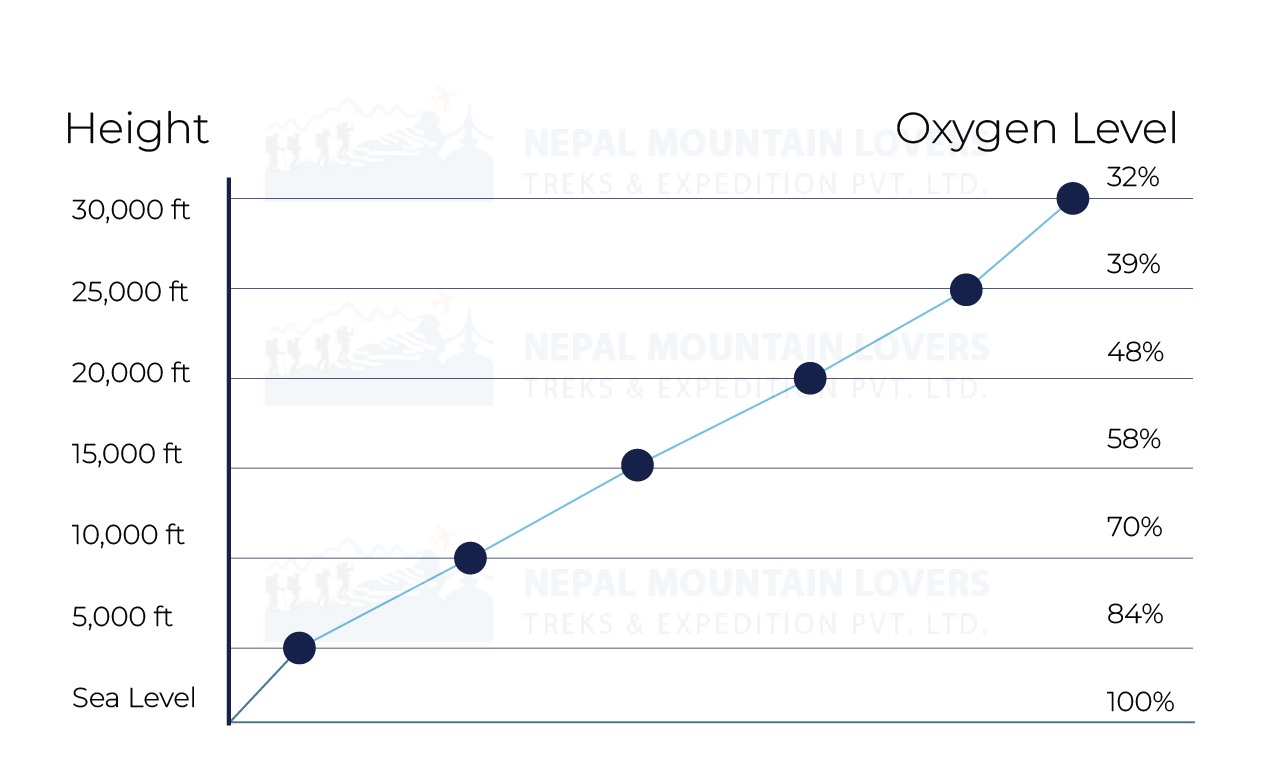
Oxygen Level
From: $624
Talk with a travel expert with more than a decade of experience and plan your adventure.
FAQs for Helambu Trek
The best time for the Helambu Trek is during spring (March to May) and autumn (September to November). These seasons offer stable weather, clear skies, and breathtaking views of the mountains. While summer (June to August) brings monsoon rains, and winter (December to February) is colder, the trek is still doable with proper preparation.
The trek is graded as a moderate one and covers 5–7 hours of walking each day. Gradual ascents and descents take place in the forests, villages, and ridges. Though it doesn’t involve any technical climbing, one needs a decent level of fitness for the trek. Beginners will find it pretty doable with some pre-training or experience in trekking.
The highest point of the trek is Magangot (3,150m). Although the altitude is not extremely high, acclimatization is built into the itinerary to reduce the risk of altitude sickness.
Yes, you need two permits for the trek:
– Langtang National Park Entry Permit
– TIMS (Trekkers’ Information Management System) Card
These can be arranged by your trekking agency or obtained in Kathmandu before starting the trek.
Accommodation on the Helambu Trek comprises teahouses that offer basic facilities. Rooms are usually basic, with shared bathrooms and dining areas. Though food options are limited, teahouses serve filling meals like dal bhat, noodles, and soups to keep your energy up.
Yes, the Helambu Trek is safe for solo travelers; however, it’s best to hire a guide or join a group for better navigation, safety, and enriched cultural experiences. Solo travelers are also required to obtain all necessary permits.
Helambu Trek highly recommends having travel insurance. Make sure that your policy covers high-altitude trekking, emergency evacuations, and cancellations of the trip.
To prepare for the Helambu Trek, start a fitness routine 4–6 weeks before your trip, focusing on cardio, strength, and endurance exercises. Practice long walks or hikes with a backpack to build stamina and get used to carrying a load.
Yes, drinking water is available in teahouses and from natural sources. However, it is better to carry a water purification system, tablets, filters, or UV sterilizer to have safe drinking water throughout the trek.
ATMs are not available along the trek route. Make sure to carry enough Nepali rupees in cash for expenses like food, accommodation, and tips before leaving Kathmandu.
The Helambu Trek is known for easy accessibility from Kathmandu, lower altitudes (reducing the risk of altitude sickness), and its cultural richness. The trail goes through beautiful Hyolmo villages, lush forests, and terraced fields, offering panoramic Himalayan views without the crowds of more popular trekking routes like Everest or Annapurna.
Wi-Fi is provided in some teahouses for a small charge, although it is usually slow and erratic. Similarly, mobile networks, such as Ncell and Nepal Telecom, are found along the trail, but the service is spotty at higher elevations.
While the Helambu Trek can be done independently, hiring a guide is recommended for navigation, cultural insights, and safety. A porter can also ease your journey by carrying your heavier luggage, allowing you to focus on enjoying the trek.
The Helambu region is rich in Hyolmo culture, a blend of Tibetan Buddhist traditions with local practices. You will visit monasteries, interact with locals, and learn about their way of life. Trekking during festival seasons like Dashain or Tihar offers an even deeper cultural immersion.
SUPPORT
Best Time to Visit Helambu Trek
Spring (March to May):
Spring is one of the best times to do the Helambu Trek because the trails are covered with rhododendrons blooms and greenery. During this season, the weather is usually mild and pleasant, and daytime temperatures at higher altitudes can be around 10°C to 20°C. Skies are usually clear, presenting fantastic views of the Langtang and Jugal Himal ranges. The advent of spring brings vibrant life to villages along the trail, whereby locals prepare for festivals and farming activities. This season is ideal for nature lovers and photographers seeking colorful landscapes.
Summer/Monsoon (June to August):
While summer brings warmer temperatures, between 15°C and 25°C, it also coincides with the monsoon season in Nepal. The Helambu Trek becomes challenging as there is heavy rainfall, slippery trails, and leeches in the forested areas during this time. However, this season offers unique benefits, such as lush green landscapes and fewer crowds on the trails. For those who can brave the rain, the trek greets them with dramatic skies and glimpses of snow-capped peaks through the mist.
Autumn (September to November):
Generally, Autumn is considered the best season for the Helambu Trek as during this season, the sky is clear, the temperature is cool, and the visibility is simply superb. The day temperatures might rise to 10°C-20°C while nights are crisp and refreshing. The trail becomes very scenic with golden hue forests and harvest-ready fields adding extra charm. This season also coincides with Nepal’s biggest festivals, Dashain and Tihar, which give trekkers a chance to experience the local culture. Autumn is perfect for those seeking the best combination of weather, views, and cultural experiences.
Winter (December to February):
Winter is a quiet, different world for the Helambu Trek-12 Days with fewer trekkers on the trails and quieter villages. However, the temperature can go substantially down to sub-zero as low as -5°C to 10°C during the day and nights at higher elevations. It might snow at high elevations; this may add extra magic to the winter landscape but might make some sections of the trail difficult to walk on. Winter offers an enriching adventure for well-prepared trekkers seeking solitude in front of calm mountain peaks.
Important Information Before Your Trip to Nepal
Payment: Down payment: 15% of total payment is required to confirm the reservation.
Payment of the Balance: Rest amount can be paid in our office after your arrival.
Arrival Point: You will be met at the Kathmandu international airport. Our office representative will be waiting for you holding play card of the Nepal Mountain Lovers Treks and Expedition. In case of your change plan, please let us inform.
Booking Air Ticket: If you don’t have regular travel agent, please visit makemytrip.com, www.kayak.com, www.vayama.com. They offer you very good price.
Room System: Normally we have two people in a room. Twin bed or single bed depends on the choice of guests and budget. If tourists want single room, s/he should pay single supplementary.
Trekking Leading Person: Our trekking guide will lead the whole trip with his/her helpers and porters.
Currencies: USD, AUD, EURO are major acceptable currencies in Nepal and visa and credit cards also accepted. There is ATM facility in city area.
Altitude Sickness: Altitude sickness will start from 3000 meter height. Trekkers should immediately inform trekking guide if faced any problems.
Drinking Water: We can get mineral water and boiled water in city area and in some trekking places. We use water purification tablet or liquid in some remote trekking sites.
Laundry Facility: Laundry facility are available in city area but not during the trekking.
Visa: You can get arrival visa at Kathmandu airport that cost 25 USD for 15 days and 40 USD for 30 days. Please bring 2 passport size photos. You can get your visa from the closest Nepali embassy.
Orientation Program: Before starting trekking, trekkers are provided with an orientation by our office representative or trekking guide about the necessary trekking information.
Group Size: There will be maximum 12 persons in one group.
Accommodation: You will stay in a nice tourist standard hotel/resort in city areas. Normal hotels or tents are available during the trekking.
Foods: We provide breakfast, lunch, dinner. Tourists can get continental food both in city and trekking places. Food during the trekking might not meet the standard of your country.
View of Mount Everest: Trekkers to Everest region will of course see the Mount Everest. For trekkers visiting other regions where they cannot view Mount Everest, there are daily mountain flights which approach close to Mount Everest.
Travel Insurance: It is compulsory to have travel insurance.
Personal Expenses: It depends on your spending interest and shopping. There are some expensive handmade carpets, Thanka paintings, jewelries and handicrafts to purchase in Nepal.
Luggage: We take only about 10kg per person in trekking. Your excess baggage will be stored in a hotel.
Tips: Tips are highly accepted and appreciated.
Rules and Regulation
Nepal Mountain Lovers Treks and Expedition accepts your reservation under the following rules and regulations.
1. If the balance payment is not paid before your departure for trekking, the booking will be cancelled without any refund.
2. If there is war or the situation of the country is out of control and the country faces emergency situation before your arrival to Nepal, we inform you not to come Nepal and refund your payment. But in case of any emergency situation or war after your arrival or during the trekking, we will not refund your money. But we will try our best to make your trip successful and pleasant. In such situation, we may need to change the trip plan and itinerary.
3. In case of increase in government royalty and other costs such as the national park fee, you have to pay extra money.
4. If you commit any illegal act or disturbance for the safety and welfare of the group, our leader or guide can ask to leave the group without any right to refund.
5. If you have any complain with regards to trekking and tour please inform our tour leader or company. All kinds of valid complain are welcomed and processed with necessary actions.
6.You are responsible to ensure that all travel documents are with you during the entire trip.
0 of 5 | 0 Review
Langtang Region Trekking

14 travellers are considering this tour right now!