
Duration
8 Days
DIFFICULTY
Medium
GROUP SIZE
1-12
MAX. ALTITUDE
4130m
Best Season
Spring & Autumn
Accomodation
Hotel
Meals
Breakfast, Lunch, Dinner
Walking per day
8 hours
Overview
Short Annapurna Base Camp Trek is one of the best trekking Packages of Annapurna region presented by Nepalmtlovers. Annapurna trails are best due to its variety regarding scenic landscapes and cultures, along with great views of the Annapurna range. Starting from Kathmandu, the trekkers are then driven to Pokhara and start the trek via some beautiful villages of Ghandruk and Chomrong towards traditional Gurung and Magar culture. From here, the route gains up through rich rhododendron forests, field terraces, and bamboo groves into the peaceful Annapurna Base Camp at 4130 meters, hemmed in by towering peaks: Annapurna I, Machapuchare (Fishtail), and Hiunchuli.
During the Short Annapurna Base Camp Trek we can see the most spectacular sunrise and sunset view over the snow-capped peaks, with another stunning panorama at every turn. Besides, trekkers can relax in the natural hot springs at Jhinu Danda, a much needed relaxation after long days of trekking. The trek’s moderate difficulty makes it accessible to trekkers with a reasonable level of fitness, and its high-altitude destination doesn’t pose the extreme risks of higher Himalayan treks. It is the ideal choice for trekkers who get fascinated by the magic of the Himalayas, which is an adventurous, culturally explorative, and naturally beautiful tour all in one.
Highlights of Short Annapurna Base Camp Trek
- Breathtaking close-up views of Annapurna, Machhapuchhre (Fishtail), and Dhaulagiri peaks.
- Various types of landscapes comprise rhododendron forests, terraced fields, bamboo jungles, and glacial valleys.
- Observe the deepest river gorge in the world
- Catch the panoramic view at sunrise over the Himalayas
- Visit Gurung and Magar villages along with the Gurung Museum as cultural insights.
- Encounter more than 1,200 species of plants, over 500 species of birds, and other wildlife.
- Trek on snow-filled trails from Deurali to Annapurna Base Camp (4,200m).
- Hike on beautiful rice terraces and stunning landscape scenery.
Short Annapurna Base Camp Trek – 8 Days
Affordable 8-Day Annapurna Base Camp Trek with Local Guide
Annapurna Base Camp: 4,130 m
Duration: 8 days
Difficulty: Moderate
Best seasons: March–May and September–November
Maximum group size: 12 trekkers
Why Choose the Short Annapurna Base Camp Trek?
There are many trekking routes in Nepal, but Annapurna Base Camp is particularly attractive for travelers who want a high-Himalayan experience within a relatively short period.
You can experience:
The spectacular Annapurna mountain range.
Annapurna Base Camp at 4,130 m.
Machhapuchhre (Fishtail) and its distinctive summit.
Annapurna South and Hiunchuli.
Traditional Gurung and Magar communities.
Rhododendron and bamboo forests.
Terraced mountain farmland.
Suspension bridges and mountain rivers.
Himalayan sunrise and sunset views.
The natural hot springs at Jhinu Danda.
Local teahouse accommodation and mountain hospitality.
A combination of cultural and Himalayan landscapes without undertaking a technical climbing expedition.
Short Annapurna Base Camp Trek at a Glance
Trek Information Details
Trek Name Short Annapurna Base Camp Trek
Duration 8 Days
Region Annapurna
Highest Point 4,130 m – Annapurna Base Camp
Difficulty Moderate
Trekking Style Teahouse Trek
Starting City Kathmandu
Gateway City Pokhara
Trekking Area Annapurna Sanctuary
Guide Licensed English-speaking guide
Porter 1 porter for 2 trekkers
Accommodation Tourist hotel + teahouse/lodge
Meals Breakfast, Lunch & Dinner during trek
Permits ACAP & TIMS
Group Size Maximum 12 people
Best Seasons March–May and September–November
Walking Time Generally 5–7 hours per trekking day
Short Annapurna Base Camp Trek Cost
Competitive Budget Price: USD 450–690 Per Person
We offer different prices according to group size so that travelers sharing the guide, porter and other group costs can receive a more competitive rate.
Group Size Price Per Person
1 Person USD 690
2–4 People USD 650
5–10 People USD 590
11+ People USD 450
Important Price Information
The price depends on group size, season, transportation arrangements and any customized services requested.
The price should always be confirmed before booking, particularly for transportation, accommodation and services that may vary according to season.
If you are traveling as a couple, family or group of friends, contact us for a customized quotation.
What You Get for Your Money
We believe tourists should know exactly what they are paying for before confirming a trek.
Our package is designed to cover the essential services required for the journey rather than advertising a low price and adding numerous unexpected costs later.
Included in the package:
Kathmandu airport pickup and drop-off.
Kathmandu–Pokhara tourist bus transportation as specified in the itinerary.
Two nights’ accommodation in Pokhara.
Tourist-standard/3-star category hotel in Pokhara on a twin-sharing basis.
Transportation between Pokhara and the trekking trailhead according to the confirmed itinerary.
Licensed English-speaking trekking guide.
Porter service, normally one porter for two trekkers.
Annapurna Conservation Area Permit (ACAP).
TIMS.
Teahouse/lodge accommodation during the trek.
Breakfast, lunch and dinner during trekking.
Guide’s wages, accommodation and meals.
Porter’s wages, accommodation and meals.
Basic first-aid support from the trekking team.
Government taxes and applicable service charges.
What Is Not Included?
To avoid misunderstandings, the following expenses are not included unless specifically added to your customized package:
International airfare.
Nepal entry visa.
Travel insurance.
Emergency helicopter evacuation.
Medical treatment and personal medication.
Personal trekking equipment.
Personal clothing.
Bottled water and beverages.
Alcoholic drinks.
Snacks and confectionery.
Wi-Fi and charging fees at lodges where applicable.
Hot showers where an additional charge applies.
Personal expenses.
Tips for guide and porter.
Any service not specifically listed under “Cost Includes.”
Optional Services
If you want greater comfort, we can arrange additional services.
Private Room
A private room during the trekking portion can be requested for an additional charge, subject to availability.
Additional Porter
A solo traveler who needs an additional porter can request one at approximately USD 20 per day, subject to confirmation.
Kathmandu–Pokhara Flight
Travelers who prefer to save road travel time can choose a flight between Kathmandu and Pokhara.
The indicative cost is approximately USD 105 one way, but airfare can change according to airline, season and availability.
Private Transportation
Private vehicles can be arranged for travelers who prefer more flexibility or comfort.
Detailed 8-Day Itinerary
Day 1 – Arrival in Kathmandu | 1,350 m
Welcome to Nepal
Your Annapurna adventure begins in Kathmandu.
After arriving at Tribhuvan International Airport, our representative will meet you outside the arrival area with a Nepal Mountain Lovers signboard showing your name.
You will then be transferred to your hotel.
If your arrival time permits, you can explore nearby areas of Kathmandu or Thamel. In the evening, your guide or company representative will provide important information about the trek and help you check your trekking equipment.
Overnight: Hotel in Kathmandu
Meals: Welcome dinner
Day 2 – Kathmandu to Pokhara | 822 m
Scenic Journey to Pokhara
Travel by tourist bus: approximately 6–8 hours
Optional flight: approximately 30 minutes
After breakfast, travel from Kathmandu toward Pokhara.
The road journey passes through valleys, rivers, hills, villages and agricultural areas and gives you an introduction to Nepal’s changing landscape.
If you prefer to reduce travel time, a flight from Kathmandu to Pokhara can be arranged at an additional cost.
After arriving in Pokhara, check into your hotel.
You can spend the evening walking around Phewa Lake, exploring Lakeside or simply relaxing before the trek.
Overnight: Hotel in Pokhara
Meals: Breakfast
Day 3 – Pokhara to Trek Starting Point and Trek to Jhinu Danda
Enter the Annapurna Mountain Region
After breakfast, drive from Pokhara toward the trekking starting point.
The route gradually leaves the busy city environment and enters the rural Annapurna landscape.
Begin walking through traditional villages, cultivated fields and forested hills. You will see local houses, agricultural terraces and mountain streams as the trail gradually climbs.
Jhinu Danda is particularly well known for its natural hot springs. Depending on arrival time and local conditions, you can visit the hot springs and relax after the first trekking day.
Walking time: Approximately 5–6 hours
Overnight: Teahouse/lodge at Jhinu Danda
Meals: Breakfast, Lunch & Dinner
Day 4 – Jhinu Danda to Bamboo/Dovan
Forests, Chomrong and Mountain Views
After breakfast, continue toward the Annapurna Sanctuary.
The trail passes through Chomrong, an important village on the Annapurna Base Camp route. From here, the landscape gradually changes as the trail enters deeper forest.
You will walk through rhododendron and bamboo forests and cross suspension bridges over mountain streams.
As you gain altitude, views of the surrounding peaks become increasingly impressive.
The exact overnight point can depend on trail conditions and lodge availability, with the planned overnight area being Bamboo/Dovan.
Walking time: Approximately 5–6 hours
Overnight: Teahouse/lodge
Meals: Breakfast, Lunch & Dinner
Day 5 – Bamboo/Dovan to Annapurna Base Camp | 4,130 m
The Main Himalayan Day
Today is the most anticipated day of the trek.
After breakfast, continue through the upper Annapurna valley.
The vegetation becomes increasingly sparse as you gain altitude. The trail leads toward Deurali and then to Machhapuchhre Base Camp.
From Machhapuchhre Base Camp, the trail enters the spectacular Annapurna Sanctuary.
Eventually, the massive mountains begin to surround you from every direction.
You arrive at: Annapurna Base Camp – 4,130 m
This is the destination of the trek.
Take time to appreciate the extraordinary Himalayan scenery and, if conditions are clear, watch the changing colors of the mountains during sunset.
Walking time: Approximately 6–7 hours
Overnight: Teahouse at Annapurna Base Camp
Meals: Breakfast, Lunch & Dinner
Day 6 – Annapurna Base Camp to Bamboo | 2,310 m
Sunrise at Annapurna Base Camp
Wake early if weather conditions are favorable.
Sunrise from Annapurna Base Camp can be one of the most memorable moments of the entire journey as the surrounding peaks gradually become illuminated by the morning light.
After breakfast, begin descending.
The trail takes you back through the Annapurna Sanctuary and forests toward Bamboo.
Although you are walking along a familiar route, the scenery often looks completely different when traveling downhill.
Walking time: Approximately 5–6 hours
Overnight: Teahouse/lodge at Bamboo
Meals: Breakfast, Lunch & Dinner
Day 7 – Bamboo to Trailhead, Pokhara and Kathmandu
Return Journey
After breakfast, continue descending through the forest and mountain villages.
You will eventually reach the roadhead, where transportation will be arranged for the journey back toward Pokhara.
After reaching Pokhara, continue toward Kathmandu according to the confirmed transportation arrangement.
The total travel time depends on road and traffic conditions.
After arriving in Kathmandu, check into your hotel and enjoy your final evening in Nepal.
Overnight: Hotel in Kathmandu
Meals: Breakfast and Lunch
Day 8 – Departure from Kathmandu
Your Himalayan Journey Ends
Today is your departure day.
If your international flight is later in the day, you may have free time for shopping, sightseeing or relaxing.
Our representative will transfer you to Tribhuvan International Airport according to your flight schedule.
Thank you for traveling with Nepal Mountain Lovers.
We hope you return home with unforgettable memories of Nepal, the Annapurna Himalayas and the people you met along the trail.
Meals: Breakfast
How Difficult Is the Short Annapurna Base Camp Trek?
The trek is rated moderate.
You do not need previous mountaineering experience, but you should be comfortable walking for several hours on uneven mountain trails.
You should expect:
Long walking days.
Uphill stone steps.
Downhill sections.
Uneven trails.
Suspension bridges.
Cold conditions at higher elevations.
Rapid changes in weather.
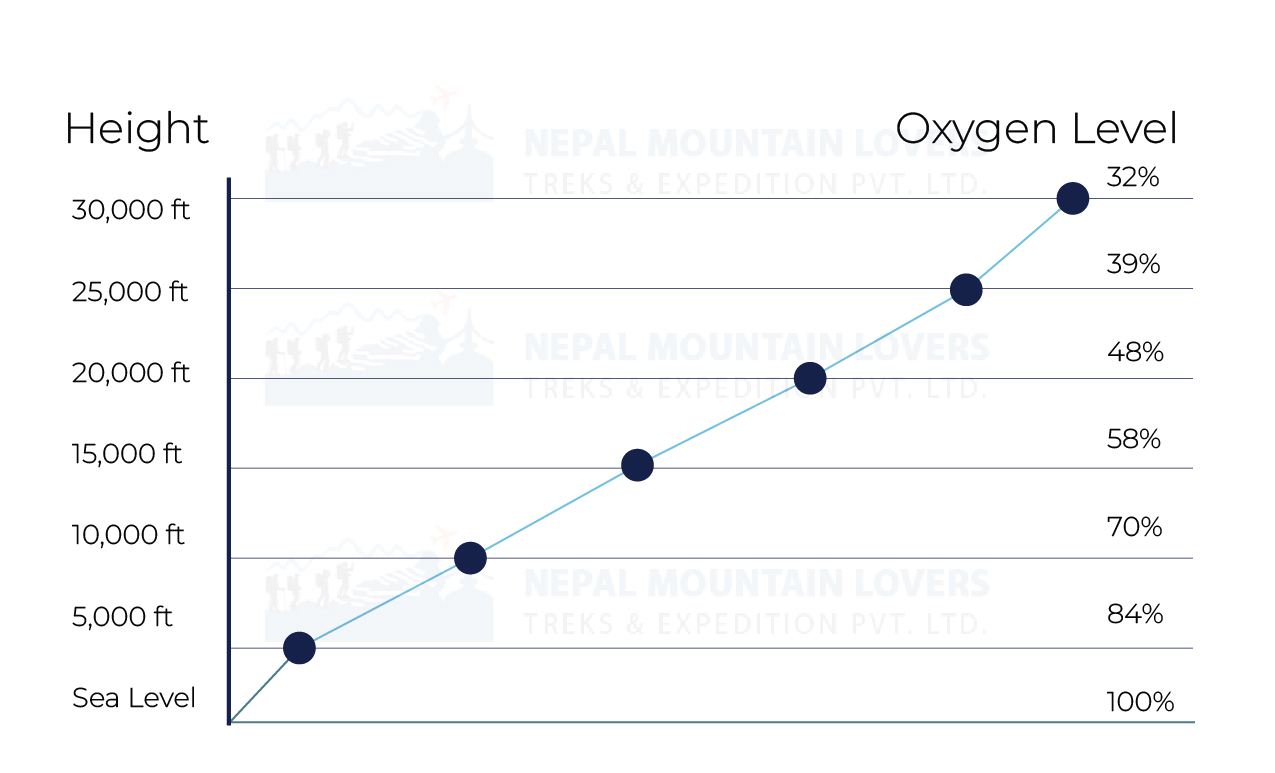
Reduced oxygen at high altitude.
A traveler who regularly walks, hikes or exercises before the trip will generally be better prepared.
Who Is This Trek Suitable For?
The Short Annapurna Base Camp Trek is suitable for:
First-time Himalayan trekkers with reasonable fitness.
Couples.
Friends traveling together.
Families with suitable preparation.
Solo travelers who want a guide.
Travelers with limited vacation time.
Budget-conscious travelers.
Travelers who want both mountain scenery and local culture.
It may not be appropriate for travelers with serious medical conditions or those who are not comfortable with several consecutive days of mountain walking.
If you have a medical concern, consult your doctor before booking.
Altitude: What You Need to Know
Annapurna Base Camp reaches approximately 4,130 meters, so altitude should be taken seriously.
Altitude sickness can affect anyone, regardless of age or fitness.
Important precautions:
Walk slowly and maintain a comfortable pace.
Drink enough water.
Avoid excessive alcohol.
Tell your guide immediately if you feel unwell.
Do not hide symptoms because you want to continue.
Follow the advice of your guide regarding altitude and health.
If a trekker becomes seriously ill, the itinerary may need to be changed for safety.
Weather and Temperature
Weather in the mountains can change quickly.
Lower elevations
The lower sections can be warm during the daytime, especially in spring and early autumn.
Higher elevations
Temperatures become significantly colder as you approach Annapurna Base Camp.
At night, temperatures can fall below freezing during colder months.
For this reason, your packing list should include both lightweight trekking clothing and warm layers.
Best Time to Trek to Annapurna Base Camp
March to May – SpringSpring is one of the most popular periods for the Annapurna region.
You can expect:
Pleasant trekking conditions.
Beautiful flowering rhododendrons.
Good mountain scenery when skies are clear.
Comfortable temperatures at lower elevations.
September to November – Autumn
Autumn is another excellent trekking period.
The monsoon season has generally ended, and mountain visibility is often very good.
December to February – Winter
Winter can bring cold temperatures and snow at higher elevations.
The scenery can be beautiful, but trekkers need appropriate winter equipment.
June to August – Monsoon
Rainfall can make trails wet and slippery, and clouds can obscure mountain views.
Travel during this period is possible, but weather flexibility is important.
Accommodation: What Should You Expect?
In Kathmandu and Pokhara, accommodation is provided in tourist-standard hotels according to the confirmed package.
During the trek, accommodation is generally in local teahouses/lodges.
Teahouse accommodation is simple rather than luxurious.
Rooms commonly have beds and basic furnishings. Bathrooms may be shared, particularly at higher elevations.
The availability of hot showers, Wi-Fi and electricity can vary from lodge to lodge and may require additional payment.
Important for first-time trekkers
Do not expect five-star hotel facilities in the mountains.
The attraction of a teahouse trek is the opportunity to stay close to local communities and experience the Himalayan environment.
Food During the Trek
Breakfast, lunch and dinner are included during the trekking portion.
Typical meals may include:
Dal Bhat
Rice
Vegetables
Noodles
Pasta
Soups
Potatoes
Eggs
Bread
Tibetan-style dishes
Tea and coffee
Dal Bhat is one of the most popular trekking meals because it provides a filling combination of rice, lentils and vegetables.
Food choices can become more limited at higher elevations.
Please tell us before departure if you have allergies or specific dietary requirements.
Drinking Water
You should remain well hydrated throughout the trek.
Water can be purchased along the trail, while boiled and treated water may be available at lodges.
We recommend carrying a reusable water bottle and using appropriate purification methods when necessary.
Guide and Porter Service
A licensed English-speaking guide will accompany the trekking group.
Your guide helps with:
Route navigation.
Daily trekking coordination.
Lodge arrangements.
Communication with local communities.
General safety.
Trekking information.
Assistance if a problem occurs.
Normally, one porter is provided for every two trekkers.
Porters carry the agreed trekking baggage so that trekkers can concentrate on enjoying the journey.
What Should I Pack?
Do not overpack.
A practical packing list includes:
Clothing
Moisture-wicking T-shirts.
Long-sleeve shirt.
Fleece jacket.
Warm/down jacket.
Waterproof jacket.
Trekking trousers.
Thermal underwear.
Warm gloves.
Warm hat.
Sun hat.
Several pairs of socks.
Footwear
Comfortable, broken-in trekking boots.
Lightweight sandals.
Equipment
Daypack.
Sleeping bag.
Water bottles.
Trekking poles.
Headlamp.
Sunglasses.
Sunscreen.
Personal first-aid items.
Power bank.
Camera/phone.
Personal Items
Passport.
Travel insurance documents.
Visa-related documents.
Personal medication.
Toiletries.
Small towel.
Cash for personal expenses.
Travel Insurance
Travel insurance is compulsory for this trek.
We strongly recommend insurance that covers:
Trekking activities.
Emergency medical treatment.
Emergency evacuation.
Trip interruption where applicable.
Personal belongings.
Emergency evacuation is not included in the trekking price.
If evacuation becomes necessary, the cost is normally handled through the traveler’s insurance provider according to the policy.
Internet, Mobile Network and Electricity
Communication facilities vary along the trekking route.
Some lodges provide Wi-Fi, but the service may be slower or unavailable at higher elevations.
Mobile phone coverage can also vary.
Electricity may be available at lodges, sometimes for an additional charging fee.
Recommended
Bring a power bank and keep your phone in a safe, warm place because cold temperatures can reduce battery performance.
Money and Personal Expenses
It is advisable to carry sufficient Nepalese rupees for personal expenses during the trek.
You may need extra money for:
Drinks.
Snacks.
Hot showers.
Wi-Fi.
Charging.
Tips.
Souvenirs.
Unexpected personal expenses.
ATMs and extensive banking facilities should not be relied upon once you are on the trekking route.
Visa Information
Tourists can generally obtain a Nepal tourist visa on arrival at Tribhuvan International Airport, subject to Nepal’s current immigration requirements.
The visa fees stated by our company are:
USD 30 for 15 days
USD 50 for 30 days
Visa regulations and fees can change, so travelers should confirm the current requirements before departure.
Responsible Tourism
We encourage every trekker to help protect the Annapurna environment.
Please:
Avoid unnecessary plastic.
Carry reusable water bottles.
Do not throw rubbish on the trail.
Respect local customs.
Ask permission before photographing people.
Avoid damaging plants or wildlife.
Use designated accommodation and trails.
Respect local communities.
Keep mountain areas clean.
The Annapurna region belongs not only to today’s travelers but also to future generations.
Safety During the Trek
Your safety is our priority.
Before starting, your guide will explain important trekking procedures.
During the trek:
Follow your guide’s instructions.
Walk at a comfortable pace.
Stay with the group.
Inform the guide if you feel sick.
Drink enough water.
Avoid unnecessary rushing at high altitude.
Keep your important documents secure.
Check weather conditions before crossing higher sections.
Mountain conditions can change unexpectedly, so the itinerary may occasionally need to be adjusted for safety.
If I Become Sick or Cannot Continue
If a trekker becomes sick or injured, the guide will first assess the situation and contact the company when necessary.
Depending on the seriousness of the problem, possible arrangements may include:
Rest and monitoring.
Descent to a lower altitude.
Local medical assistance.
Transportation from the trekking route.
Emergency evacuation where necessary.
Any emergency evacuation or medical cost is the responsibility of the traveler unless covered by their insurance.
Booking and Payment
How to Confirm Your Trek
A 15% deposit of the total trip cost is required to confirm the reservation.
The remaining balance can be paid after your arrival in Nepal at the Nepal Mountain Lovers office.
Before making payment, we recommend that you receive confirmation of:
Your travel dates.
Number of trekkers.
Final price.
Included services.
Excluded services.
Transportation arrangements.
Accommodation arrangements.
Any customized requirements.
This helps both the traveler and trekking company avoid misunderstandings.
Airport Pickup
Our representative will meet you at Tribhuvan International Airport in Kathmandu.
Look for the Nepal Mountain Lovers signboard with your name after completing the arrival procedures.
If your flight is delayed or your travel schedule changes, please inform us as soon as possible.
Group Size
Our normal maximum group size is 12 people.
Small groups can provide a more comfortable trekking experience, while larger groups can make the price more economical.
Private trips are also available.
Can I Customize the Trek?
Yes.
We can customize the trip according to:
Number of days available.
Group size.
Transportation preference.
Hotel category.
Private or group trekking.
Room requirements.
Additional nights in Pokhara.
Additional sightseeing.
Flight or road transportation.
Tell us what you need and we can prepare a customized itinerary and quotation.
Frequently Asked Questions
- How many days is the Short Annapurna Base Camp Trek?
This package is designed as an 8-day itinerary from Kathmandu to Kathmandu.
- What is the highest altitude?
The highest destination is Annapurna Base Camp at approximately 4,130 meters.
- Is this trek suitable for beginners?
Yes, reasonably fit beginners can undertake the trek. Previous Himalayan trekking experience is helpful but not mandatory.
- Is Annapurna Base Camp a climbing expedition?
No. Annapurna Base Camp is a trekking destination. Technical mountaineering skills are not required for this itinerary.
- How many hours do we walk each day?
Most trekking days require approximately 5–7 hours of walking, depending on the trail, weather and group pace.
- Is a guide included?
Yes. A licensed English-speaking trekking guide is included.
- Is a porter included?
Yes. Normally one porter is provided for every two trekkers.
- Are meals included?
Breakfast, lunch and dinner are included during the trekking portion.
- What type of accommodation is used?
Hotels are used in Kathmandu and Pokhara, while teahouses/lodges are used during the trek.
- Can I have a private room?
Yes, subject to availability and an additional charge.
11.Can I fly from Kathmandu to Pokhara?
Yes. A flight can be arranged at additional cost.
12.Is Wi-Fi available?
Wi-Fi may be available at some lodges, usually for an additional fee. It should not be considered guaranteed throughout the trek.
13.Can I charge my phone?
Charging is available at some lodges, generally for an additional fee. Carrying a power bank is recommended.
14.Do I need travel insurance?
Yes. Travel insurance with appropriate trekking and emergency coverage is strongly required.
15.What happens if the weather becomes bad?
The guide and company will monitor conditions and may adjust the itinerary if necessary for safety.
16.What happens if I cannot continue?
The guide will assist with the safest available option. Additional transportation, medical treatment or emergency evacuation costs are not included in the package.
17.Can solo travelers join?
Yes. Solo travelers can request the trek. The solo price is higher because guide and other operating costs cannot be shared with another trekker.
18.Can couples or families book privately?
Yes. Private departures can be arranged for couples, families and groups of friends.
19.What is the best month to trek?
March–May and September–November are generally the preferred periods for this trek.
20.What should I do if I have dietary restrictions?
Inform us before departure so we can communicate your requirements to the trekking team and accommodation providers.
21.Why Book Your Annapurna Trek with Nepal Mountain Lovers?
We want travelers to know what they are buying before they arrive in Nepal.
Our approach is simple:
Clear information
We explain the itinerary, price, inclusions and exclusions before the trip.
Local trekking support
Our trekking team works directly with travelers in Nepal and understands the local trails, transportation and mountain environment.
Competitive pricing
Group-based pricing allows travelers to share certain operating costs while maintaining essential trekking services.
Flexible arrangements
We can customize the itinerary for couples, families, friends, solo travelers and private groups.
Personal assistance
From airport arrival to the end of the trek, our team remains available to assist with the trip.
Book Your Short Annapurna Base Camp Trek
If you have limited time but want to experience the spectacular Annapurna Himalayas, this 8-day Short Annapurna Base Camp Trek offers an excellent combination of mountain scenery, culture, forest trails and Himalayan adventure.
Ready to plan your trek?
Send us:
Your preferred travel date
- Number of trekkers
- Your nationality
- Whether you prefer group or private trekking
- Any special requirements
We will prepare the appropriate itinerary and price for you.
Quick Contact
Nepal Mountain Lovers Treks & Expedition
WhatsApp: +977 9851089399
Your Annapurna adventure begins with a simple message.
Itinerary
-
Day 1 :
Arrival in Kathmandu 1350 m
Upon your arrival in Kathmandu, the capital city of Nepal. You can roam around the cultural and historical city landmarks like Swayambhunath, also known as the Monkey Temple, or Pashupatinath, which offer great views and spiritualism. Check into your hotel after exploring and enjoy a welcome dinner with a mixture of Nepali and international cuisine. Overnight stay in Kathmandu.
-
Day 2 :
Kathmandu to Pokhara 822 m
Travel Time: 6-8 hours by road or 30 minutes by flight
Drive to Pokhara after breakfast for your short Annapurna Base Camp trek, a 30-minute flight or 6-8 hours drive via valleys and rivers and local villages. Arrive at Pokhara and check-in to the hotel. Later, free time for exploring the area around Phewa Lake or hiking up for panoramic views to the World Peace Pagoda. Overnight stay in Pokhara.
-
Day 3 :
Pokhara to Jhinu Danda 1340 m
Trek Duration: 5-6 hours
Drive to Nayapul (1-2 hours) for the official start of your short Annapurna Base Camp trek after having breakfast. The trail from Nayapul follows along the Modi Khola river and passes by the village of Birethanti.About 4 hours trek to Jhinu Danda at 1780m. You can ease into the natural hot springs here to relax your muscles. Overnight stay at Jhinu Danda.
-
Day 4 :
Jhinu Danda to Dovan 2600 m
Trek Duration: 5-6 hours
From Jhinu Danda, after breakfast, the trek continues Up and downhill through rich Dovan and rhododendron forests, crossing numerous suspension bridges, and the route passing through Chomrong. You get spectacular views of Annapurna South, Machapuchare, also known as Fishtail, and Hiunchuli on the way. The day’s trek then concludes for rest at Bamboo (2310m) in a teahouse.
-
Day 5 :
Bamboo to Annapurna Base Camp 4130
Trek Duration: 6-7 hours
On Day 5, after an early breakfast, the short Annapurna base camp trek continues toward Annapurna Base Camp (4130m). The trail takes you through dense forests, gradually turning into alpine meadows and offering increasingly spectacular views. After passing Machapuchare Base Camp (3700m), you will continue to Annapurna Base Camp, where you’ll be surrounded by the towering peaks of the Annapurna range and Machapuchare, providing a surreal and dramatic setting. Overnight stay at Annapurna Base Camp tea house.
-
Day 6 :
Annapurna Base Camp to Bamboo 2310 m
Trek Duration: 5-6 hours
Early morning of the short Annapurna Base Camp trek, start with the breathtaking sunrise view of the Annapurna range. After the view, the trek descends down to Bamboo where You will get to see new dimensions of the scenery while heading back by passing through the same villages and forests. In the afternoon, reach Bamboo for your overnight stay, and rest in the tranquil surroundings.
-
Day 7 :
Bamboo to Nayapul, then Return to Pokhara and Kathmandu
Trek Duration: 6-7 hours
After breakfast, trek from Bamboo to Nayapul (6-7 hours), passing through Chomrong . Upon reaching Motkyu, drive back to Pokhara (2 hours) . The drive back offers a chance to reflect on your short Annapurna Base Camp trek while enjoying the beautiful scenery. It takes approximately 6 to 8 hours of driving via road to reach Kathmandu. You will arrive at Kathmandu in the evening or night and will be free for your last dinner or shopping.
-
Day 8 :
Departure from Kathmandu
If your flight is later in the day, you may have some time for last-minute shopping or sightseeing around Kathmandu on the last day. You can visit local markets or simply relax before flying out. Later, you will be transferred to Tribhuvan International Airport for your flight back home, bringing your memorable short Annapurna Base Camp trek to an end.
Map

ALTITUDE CHART
Oxygen Level
From: $450
Talk with a travel expert with more than a decade of experience and plan your adventure.
FAQs of Short Annapurna Base Camp Trek
The short Annapurna base camp Trek is considered moderate in difficulty. The trek involves some uphill ascents, steep descents, and moderate altitudes. While it is suitable for most people with basic fitness levels, prior trekking experience can be helpful. It requires no technical climbing skills, but participants should be prepared for long days of walking at moderate altitudes.
The average days of trekking vary from 5 to 7 hours daily depending on terrain and pace. It is considered a moderate type of trekking as it has been gradually commenced and rises steeply upwards, gaining altitude in case of route ways to ABC.
Though it is possible to do it independently, hiring a guide and porter is highly recommended. A guide will help navigate the route, ensuring your safety while giving cultural insight into many villages along the way. A porter can take some luggage so that you will enjoy your trek comfortably because there are uphill climbs and the days will be very long.
Accommodation will be provided in the form of tea houses (lodges) that dot the trail. Basic guesthouses with shared facilities and limited hot water provide the mainstay services of food and shelter; a few also have Wi-Fi and charging facilities, although at extra costs.
Following are some of the essential things to be packed:
- Warm clothing: layers, down jacket, fleece
- Trekking boots: waterproof, comfortable
- Sleeping bag: high altitude
- Waterproof jacket and rain pants; sun and cold protection hat, gloves, sunglasses; first-aid kit; water purification tablets or a water bottle with a filter; personal toiletries and toilet paper.
The highest altitude of the Short Annapurna Base Camp Trek is at Annapurna Base Camp, which rests at an altitude of 4130 meters (13,550 feet). Though this is not very high in comparison with other Himalayan treks, one must always take care regarding altitude sickness, and proper acclimatization is necessary.
In order to prevent altitude sickness, you should:
- Trek slowly to let your body acclimate.
- Drink plenty of water to stay hydrated.
- Abstain from alcohol and smoking.
- Rest frequently and be sensitive to your body.
If you have any kind of unease, then inform your guide without any delay as it is important to descend in case people develop symptoms of altitude sickness.
The best time for trekking:
- Autumn (September to November): This is the peak season with clear skies and moderate temperatures.
- Spring (March to May): Another excellent time, with mild temperatures and beautiful rhododendron blooms. Avoid the monsoon season from June to August, as the trail becomes slippery and visibility is poor.
Yes, the Annapurna Base Camp Short Trek is suitable for beginner trekkers with average fitness. Though previous experience with trekking helps, if one is healthy and can walk daily 5-7 hours, then no problem will come in completing it.
Meal options along the trek usually include dal bhat, which includes lentil soup with rice, noodles, momos or dumplings, vegetable dishes, and soups. In higher regions, the menu may be limited, but basic international foods such as pasta, sandwiches, and eggs can also be found.
While most tea houses have Wi-Fi, it is often very slow and can be for a small surcharge. Mobile reception is available most places, although becoming more intermittent at altitude.
Yes, we highly recommend you to do travel insurance that covers trekking activities up to 5000 meters high. The insurance policy should cover for emergency evacuation, trip cancellation, medical expenses, and any other unforeseen events.
Though solo trekking is allowed, it is not recommended, especially in these parts of Annapurna Base Camp. It’s much safer and more enjoyable to go on a trek either with a guide or in a group as assistance can be provided in case of an emergency.
The trek involves a moderate grade of physical exertion. If you are fairly active, and used to regular walking or hiking, or mild cardiovascular workouts you will be thoroughly prepared. Training beforehand walking with a loaded rucksack or climbing stairs will improve your stamina for the trek.
If you are unable to continue because of health reasons, your guide will assist in organizing a safe descent to the lower part so that you get the proper medical attention. In the case of a serious emergency, an evacuation will be arranged.
0 of 5 | 0 Review
Annapurna Region Trekking


10 travellers are considering this tour right now!