
Duration
14 Days
DIFFICULTY
medium
GROUP SIZE
1-12
MAX. ALTITUDE
3840
Best Season
April to October
Accomodation
hotel
Meals
Breakfast, Lunch ,Dinner
Walking per day
6 hours
Overview
Upper Mustang Tiji Festival Trek 2027 & 2028
25% DISCOUNT – SPECIAL OFFER
Save 25% on the Upper Mustang Tiji Festival Trek package cost.
Experience the Tiji Festival in Lo Manthang, Upper Mustang
The Upper Mustang Tiji Festival Trek is a special cultural journey to Lo Manthang, the historic walled city of Upper Mustang, Nepal.
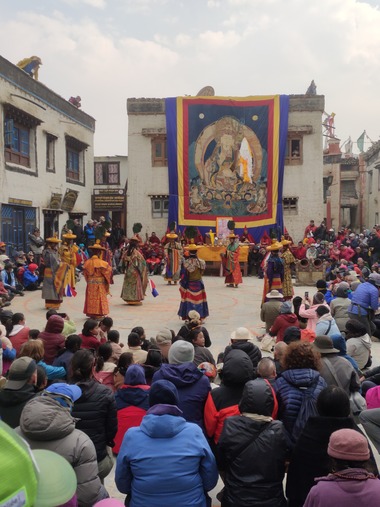
The highlight of this trip is the opportunity to witness the three-day Tiji Festival, one of the most important Buddhist festivals of Upper Mustang. During the festival, monks perform sacred masked dances, prayers and religious rituals in Lo Manthang.
The Tiji Festival follows the Tibetan lunar calendar, so its dates change every year. The 2027 Tiji Festival is scheduled for June 1–3, 2027. The currently published date for 2028 is May 21–23, 2028, but travelers should reconfirm the 2028 dates before making non-refundable international travel arrangements.
This 14-day journey combines the festival with an exploration of Upper Mustang’s ancient monasteries, traditional villages, caves, Buddhist culture, dramatic cliffs and high-altitude desert landscapes.
Information Details
Duration 14 Days
Festival Tiji Festival
2027 Festival June 1–3, 2027
2028 Festival Date to be confirmed
Destination Lo Manthang, Upper Mustang
Maximum Altitude About 4,280 m on the trek route
Difficulty Moderate
Group Size 2–12 people
Best for Culture, Buddhism, monasteries, desert landscapes
Permit Upper Mustang Restricted Area Permit required
Tiji Festival Dates 2027 & 2028
Year Festival Dates Status
2027 June 1–3, 2027 Scheduled
2028 May 21–23, 2028 currently published; reconfirm before travel
The 2027 dates are consistently published as June 1, 2 and 3, 2027. The currently published 2028 dates are May 21, 22 and 23, 2028. Because the festival follows the Tibetan lunar calendar, we recommend reconfirming the 2028 dates before booking non-refundable flights.
Upper Mustang Tiji Festival Trek 2027 & 2028 – Outline Itinerary
Day 1: Arrival in Kathmandu
Airport pickup and transfer to your hotel in Kathmandu.
Day 2: Kathmandu Sightseeing & Trek Preparation
Optional sightseeing in Kathmandu and preparation for the Upper Mustang trek.
Day 3: Fly from Kathmandu to Pokhara
Scenic flight to Pokhara and free time to explore the lakeside area.
Day 4: Fly to Jomsom and Trek to Chhusang
Fly to Jomsom, travel through Kagbeni, enter Upper Mustang and trek to Chhusang.
Day 5: Trek Chhusang to Ghiling
Trek through the beautiful Upper Mustang landscape and visit Chungshi Cave.
Day 6: Trek Ghiling to Dhakmar
Visit local monasteries and villages before continuing to Dhakmar.
Day 7: Trek Dhakmar to Lo Manthang
Cross the high Chogola Pass and continue to Lo Manthang, the historic walled city of Upper Mustang.
Day 8: Tiji Festival
Explore Choser village and ancient caves, then attend the first day of the Tiji Festival in Lo Manthang.
Day 9: Tiji Festival
Visit nearby cultural and religious sites before attending the second day of the festival and traditional masked dances.
Day 10: Tiji Festival
Experience the final day of the Tiji Festival, including traditional masked dances, music and religious ceremonies.
Day 11: Drive from Lo Manthang to Jomsom
Drive back to Jomsom with sightseeing at important places such as Tsarang and its monastery.
Day 12: Fly from Jomsom to Pokhara
Morning flight to Pokhara and free time to relax or explore the city.
Day 13: Drive from Pokhara to Kathmandu
Scenic drive back to Kathmandu with time for shopping or relaxation.
Day 14: Departure from Kathmandu
Transfer to the international airport for your onward journey.
Important for 2028 Travelers
If you are planning your trip around the 2028 Tiji Festival, please allow some flexibility in your international travel dates.
Do not book a non-refundable international flight based only on an early festival date announcement. We will reconfirm the festival dates and coordinate your itinerary accordingly.
What Is the Tiji Festival?
The Tiji Festival, also known as Tenchi, is a sacred Buddhist festival celebrated in Lo Manthang, Upper Mustang.
According to the Nepal Tourism Board, Tiji is connected with the Vajrakila tradition, also known as Dorje Phurba or Vajrakumar, and the ritual focuses on overcoming negative forces and bringing peace and harmony. The festival includes sacred dances performed by monks after an extended period of religious preparation.
For visitors, the festival provides an opportunity to observe:
- Traditional Buddhist masked dances
- Religious prayers and ceremonies
- Monks wearing elaborate costumes and masks
- Traditional musical instruments
- Buddhist rituals
- Local cultural activities
- Traditional Lo Manthang architecture
- The historic palace area
- Local people participating in the celebration
The Tiji Festival is not simply a performance arranged for tourists. It is a living religious tradition that remains an important part of the cultural and spiritual life of Upper Mustang.
The Story and Meaning of Tiji
The Tiji tradition is associated with Dorje Jono and the struggle against destructive forces.
The traditional story tells of destructive forces bringing suffering and disorder to Mustang. Dorje Jono defeats these forces and restores peace and protection to the region.
The religious dances and rituals performed during the festival symbolically represent this struggle and the removal of negative forces.
The festival has a long religious history connected with the Vajrakila tradition. Nepal Tourism Board notes that the tradition in Mustang has historical roots extending back several centuries and was revived at different periods.
The Three Days of the Tiji Festival
The three festival days contain different religious dances and rituals connected with the traditional story.
Day 1 – June 1, 2027
The first day begins the main festival ceremonies in Lo Manthang.
Monks perform sacred masked dances accompanied by prayers, traditional music and religious rituals.
The dances begin the symbolic story of the struggle against destructive forces.
Tiji Festival: Day 1
Date: June 1, 2027
Location: Lo Manthang
Day 2 – June 2, 2027
The second day continues the religious story through further masked dances and ceremonies.
Visitors can observe the monks’ elaborate costumes, masks, music and ritual performances while experiencing the special atmosphere of Lo Manthang during the festival.
Tiji Festival: Day 2
Date: June 2, 2027
Location: Lo Manthang
Day 3 – June 3, 2027
The third day brings the main festival ceremonies to a conclusion.
The final rituals symbolically represent the removal or defeat of negative forces and the restoration of peace and harmony.
Tiji Festival: Day 3
Date: June 3, 2027
Location: Lo Manthang
Why Combine the Tiji Festival With an Upper Mustang Trek?
The Tiji Festival is the main attraction, but the journey to Lo Manthang is also an important part of the experience.
Instead of traveling directly to Lo Manthang only for the festival, this itinerary allows you to explore the landscapes, villages, caves and monasteries of Upper Mustang before reaching the festival.
Along the route you can visit or explore places such as:
Kagbeni
Chhuksang
Chungshi Cave
Ghilling
Ghami
Dhakmar
Ghar Gompa
Chogo La/Chongola Pass
Lo Manthang
Choser
Thinkar
Tsarang
Jomsom
Upper Mustang is famous for its dry mountain landscape, deep valleys, dramatic cliffs, ancient caves, Buddhist monasteries and traditional mud-brick settlements.
Upper Mustang Tiji Festival Trek Highlights:
- Attend all three days of the Tiji Festival
- Explore the historic walled city of Lo Manthang
- Witness traditional Buddhist masked dances
- Experience religious prayers and rituals
- Explore Choser Village and its ancient caves
- Visit Thinkar Village
- Visit Chungshi Cave
- Explore Ghar Gompa
- Visit traditional villages including Ghilling, Ghami and Dhakmar
- Cross a high mountain pass
- See traditional Tibetan-influenced architecture
- Explore ancient Buddhist monasteries
- Experience the unique culture of Upper Mustang
- Fly through the spectacular Kali Gandaki region
- Trek through the Upper Mustang landscape
- Return from Lo Manthang to Jomsom by Jeep
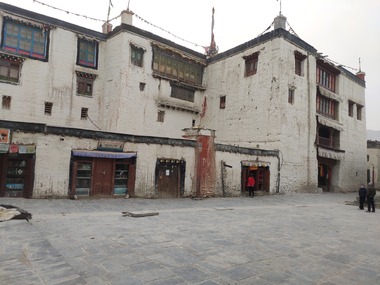
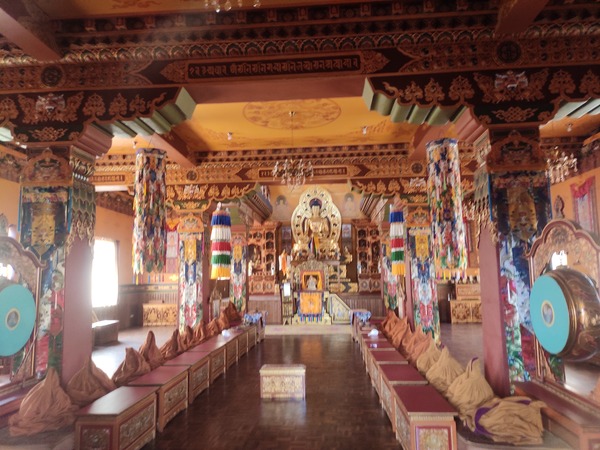
Lists of measure monasteries inside Lo Manthang:
We can explore numerous monasteries within the Lo Manthang village; however, three significant monasteries stand out: Chode Gonpa, Jampa Monastery, and Thupchen Gonpa.
Chode Gonpa: Constructed in the 15th century by the inaugural king of Lo Manthang, Chode Gonpa serves as the principal Sakya Gonpa of the region and is home to a high level of current monks. Most of the key religious ceremonies take place in this Gonpa.
Jampa Monastery: Jampa Monastery is the oldest monastery located within the fortified city of Lo Manthang, established in the early 15th century. It features three stories and is constructed from mud, with walls measuring 5’4″ in thickness.
Thupchen Gonpa: Built towards the end of the 15th century, Thupchen Gonpa is adorned with paintings of Buddha and Bodhisattvas on its walls and ceiling. The main attraction of this Gonpa is a statue of the great Buddha, crafted from copper and finished with gold polish.
Tiji festival 2027 dates in Upper Mustang
The Tiji Festival in Upper Mustang will take place on Jun 01, 02, and 03 in the year 2027.
Information about Upper Mustang trek
Upper Mustang is regarded as one of the most stunning trekking destinations in Nepal, particularly for those interested in ancient Tibetan culture, traditions, Buddhism, caves, monasteries, and breathtaking landscapes.
Upper Mustang refers to the northern section of the Mustang district, which is delineated by the village of Kagbeni. The area north of Kagbeni is designated as Upper Mustang, while the southern region is known as Lower Mustang. Lower Mustang is accessible to all tourists, whereas Upper Mustang is a restricted area. Visitors wishing to enter Upper Mustang must obtain a special permit, which costs US$ 500 for a duration of 10 days. Should tourists wish to extend their stay, an additional fee of US$ 50 per day applies.
The administrative center of the Mustang district is Jomsom, while the capital of Upper Mustang is Lo Manthang, which functions as a village development committee. Lo Manthang is home to 876 residents across 178 households. Historically, it was ruled by a separate king until the monarchy was abolished by the federal government of Nepal in 2008.
In Lo Manthang, tourists can visit the King’s Palace, constructed in the 14th century, along with various monasteries and traditional homes characterized by whitewashed mud brick walls. Notable monasteries in the area include Jampa Gompa, built in the early 15th century and known as the “God House,” as well as Thubchen Gompa, Chodey Gompa, and Choprang Gompa.
The terrain of Upper Mustang is not conducive to agriculture; however, residents do cultivate crops such as wheat, potatoes, and barley.
The most celebrated event in Upper Mustang is the Tiji Festival, which takes place in April and May.
Tibetan Culture: For individuals wishing to experience Tibetan culture, Upper Mustang offers a unique opportunity. The region retains similarities in language, religion, architecture, meditation practices, and spiritual leadership akin to Tibet. The residents of Upper Mustang hold the Dalai Lama in high esteem as their spiritual leader. Following the invasion of Tibet by the Chinese Red Army in the 1960s, many Tibetans fled to safeguard their lives, with some relocating to Dharamsala in India and others settling in various parts of Nepal as refugees. The people of Upper Mustang have been significantly influenced by Tibetan culture, allowing them to preserve many of its traditions. Although numerous monasteries were destroyed during the conflict, replicas of these sacred sites have been maintained in Upper Mustang. The primary occupations of the locals include agriculture and the raising of livestock such as yaks, horses, sheep, and mountain goats. It is common for residents to consume homemade alcohol, which serves both to keep warm and as a traditional offering to guests.
Buddhism: The inhabitants of Upper Mustang are predominantly Buddhist and exhibit a deep commitment to their faith. While there are various sects within Buddhism, the practices in Tibet and Upper Mustang are largely aligned. The architectural style of ancient homes is not well understood today; however, the locals constructed interconnected mud houses with thick walls to shield themselves from the cold, snow, and storms. Monasteries in the region typically feature large halls with a single main entrance, which, when closed, provide protection from the harsh weather.
Caves: From the outset of your trek, you will encounter numerous caves carved into the rocks. These caves were originally created by people who lacked the knowledge of constructing houses. Even today, some individuals continue to reside in these caves, serving as evidence of ancient habitation.
Upper Mustang Permit Fees
The fee for the Upper Mustang permit is US$ 500.00 for a duration of 10 days, which breaks down to US$ 50 per person per day.
The cost for the Annapurna Conservation Area Project is US$ 25.00 per individual.
Additionally, the fee for the Tourist Information Management System is US$ 15.00 per person.
Flight Costs from Kathmandu to Pokhara to Jomsom
The airfare from Kathmandu to Pokhara is US$ 106.00 per person.
The ticket price for the flight from Pokhara to Jomsom is US$ 169.00 per person.
The distance by road from Kathmandu to Lomanthang is 448 kilometers, equivalent to 278 miles.
The road distance from Pokhara to Lomanthang measures 248 kilometers, or 154 miles.
The distance from Jomsom to Lomanthang is 90 kilometers, which is 56 miles.
Accommodation during Upper Mustang Trekking
During the Upper Mustang trekking experience, accommodations in locations such as Kathmandu, Pokhara, Jomsom, and Lomanthang typically feature attached bathrooms. However, in Chhusang, Ghilling, and Dhakmar, the availability of rooms with attached bathrooms is limited, necessitating shared bathroom facilities. We will make every effort to secure clean and comfortable accommodations with attached bathrooms, but it is essential to make reservations in advance to ensure availability.
Food and Beverages on the Upper Mustang Trek
Currently, there is road access to Lomanthang, allowing merchants to transport a variety of food items from Pokhara to Upper Mustang for sale. As a result, trekkers can find a wide range of food and drink options along the trekking route, similar to those available in urban areas. Mineral water, beers, and various alcoholic beverages are accessible; however, we advise against consuming hard liquor due to the high altitude. A small amount may be acceptable to help maintain body warmth.
Key Features of the Upper Mustang Trek During the Tiji Festival
1. Scenic flight from Kathmandu to Pokhara, showcasing snow-capped mountains.
2. The picturesque Phewa Lake surrounded by natural beauty.
3. Aerial journey from Pokhara to Jomsom, offering stunning views of the Himalayas.
4. Exploration of the Chungshi Cave.
5. Traditional houses with thick walls found throughout Upper Mustang.
6. Artistic works in the Ghargumba and Tsarang Monasteries.
7. Breathtaking landscapes.
8. Ancient caves that served as dwellings in historical times.
9. The Lomanthang Royal Palace.
10. The Tiji Festival featuring vibrant mask dances.
High-altitude sickness during upper Mustang trek:
High-altitude sickness typically begins at elevations of 3000 meters, and during the Upper Mustang trek, you will ascend to approximately 4000 meters. The Upper Mustang region experiences minimal monsoon activity, resulting in a scarcity of vegetation. The landscape is predominantly characterized by arid desert hills and dry terrain. Consequently, the oxygen levels in the atmosphere are reduced, increasing the risk of high-altitude sickness. Common symptoms of high-altitude sickness include headaches, nausea, vomiting, dizziness, fatigue, and shortness of breath. If you experience any of these symptoms, it is crucial not to disregard them. You should promptly notify your guide.
how can you prevent from high-altitude sickness:
increase gradually higher elevation.
drink plenty of water.
make rest days.
avoid alcohol and smoke.
use Diamox it helps your body to acclimatize in higher elevation.
Best month to visit upper Mustang
The optimal months for visiting Upper Mustang are March, April, and May during the autumn season, while September, October, and November correspond to the spring season. During the autumn, the temperatures are mild, and the roads are unobstructed, facilitating easy walking for tourists during the daytime. A down jacket is unnecessary, as trekkers can comfortably wear a half T-shirt or a light jacket. There is no need for excessive clothing. The significant Tiji festival occurs in either April or May. The spring season, which includes September, October, and November, features very pleasant weather that is neither too cold nor too hot. The skies are clear, allowing for stunning views of the Himalayas and the surrounding landscape. The roads remain clear, and while there is minimal cultivated land, the small areas that are cultivated near water sources appear quite beautiful. Another important festival in Upper Mustang, known as the Yartung festival, takes place in September. Simultaneously, travelers can witness the major festivals of Nepal, namely Dashain and Dipawoli, in Kathmandu and Pokhara before reaching Upper Mustang.
Book Early, Save Big: 25% Off for 2027 and 2028
Option tour for Upper Mustang
Kathmandu Upper Mustang helicopter tour
Kathmandu to Upper Mustang helicopter tour cost: US$ 7000
Number of people can share:2-5 person
Time taken from Kathmandu-Upper Mustang-Kathmandu:5 hours
Sightseeing in Upper Mustang:2 hours
Travel time: 3 hours
Highlights:Views of green hills including typical Nepali villages,snow capped mountains like Langtang Himal,Ganesh Himal,Buddha Himal,Manaslu Himal,Long range of Annapurna Himal,Fish tail himal,Dhaulagiri Himal,Rivers,Kaligandaki gorge,Upper mustang landscape(desert mountain),Upper Mustang Royal palace,Monastries and festivals.
cost Includes:
chartered helicopter from Kathmandu-Upper Mustang-Kathmandu
Transport from hotel-Airport-Hotel.
Guide.
All government taxes.
Service charge for office.
cost excludes:
Personal expense
Upper Mustang special permit US$ 500.00 per person
Annapurna conservation permit US$ 25.00 per person
Kathmandu upper mustang Jeep tour-5 days
Total cost US$ 1164.00 per person and needed 7 pax. If the number of tourists less than 7 person then the cost varies.
Cost Includes:
Kathmandu-Upper Mustang-Kathmandu Jeep
Upper Mustang special permit cost US$ 500.00 per person
Annapurna conservation Fee US$ 25.00
Tims Card:US$ 15.00
Guide and insurance
Office commission with all government tax
All accommodation and foods during 5 days trip
cost excludes:
International air ticket, airport tax and Nepal visa fees
All kinds of drink during trekking and travel stay with us
Travel insurance and cost of medical services of tourists
All kinds of cloth and personal trekking equipment
Other personal expenses and tips
Charted helicopter, plane and other transports in case of emergency
Note: The above 25% discount is not applied in Helicopter and Jeep tour.
Should we reserve the Upper Mustang trek or tour in advance?
Upper Mustang is a less touristy region among the trekking routes in Nepal. Consequently, there are fewer hotels and lodges available along the trekking path, which offer only basic facilities. Therefore, we must stay overnight wherever accommodations are available, leaving us with no alternatives. This area operates on a seasonal basis, making it challenging for individuals to invest significant amounts of money in constructing high-quality hotels. During winter, due to the cold and snowfall, local residents cannot remain in the area, allowing tourists to visit. Inhabitants from all parts of Upper Mustang descend to lower altitudes to shield themselves from the cold. As summer approaches, local residents begin to return to Mustang. Typically, the spring and autumn seasons are the busiest for trekking and tours. In April and May, the Tiji festival occurs, resulting in all hotels being fully booked, making it difficult to secure rooms in hotels and lodges. If tourists book their trek or tour to Upper Mustang in advance, it will facilitate our ability to reserve accommodations for them. In the event of an emergency, should tourists be unable to arrive on their scheduled dates, we are flexible in postponing the trek to a more convenient time for them. We do not impose any cancellation fees on tourists.
Which tourists are suited for the Upper Mustang trek, and which are not?
The Upper Mustang is predominantly a Buddhist region, particularly associated with Tibetan Buddhism, characterized by its rich cultural and traditional heritage. Here, visitors can immerse themselves in Buddhist practices, traditions, and culture, as well as explore ancient monasteries and a historic royal palace constructed from earth with thick walls. The landscape is primarily a mountainous desert, and there is no dense forests, lush greenery, and stunning views of towering snow-capped peaks, including routes like the Annapurna and Everest Base Camp treks, typical Nepali villages amidst the greenery. The entrance permit for Upper Mustang costs USD 500 for a duration of 10 days, making it relatively expensive compared to other trekking trails. Therefore, prior to choosing the Upper Mustang trek, we recommend consulting with our experts or contacting us via email for detailed information about the region. This will help you determine whether the Upper Mustang trek is appropriate for you. Our team has extensive experience with Upper Mustang trekking, having undertaken it multiple times, and we possess in-depth knowledge of the area.
At present, a motorable road links Pokhara to Jomsom and extends from Jomsom to Upper Mustang. The distance between Jomsom and Upper Mustang is roughly 90 kilometers. Tourists can choose to travel by motorbike or mountain bike, and cycling is also a viable option. Please let us know your available schedule, and we will be happy to develop a new itinerary customized to your requirements. We provide a horse master and a road captain for both motorbike and mountain bike adventures.
Upper mustang (Lomanthang) trek itinerary of Tiji festival (14 days)
-
Day 1 :
pick up from international airport and transfer to Hotel.
Upon your arrival at the international airport in Kathmandu, Nepal, it is necessary to obtain a visa prior to exiting the airport. If there is a Nepalese embassy in your home country, you may acquire your visa there; otherwise, you can obtain a visa on arrival at the airport. The visa fees are as follows: US$30 for a 15-day stay, US$50 for 30 days, and US$125 for 90 days. Once you have secured your visa, you may proceed to exit the airport.
Just outside the exit, a representative from our office will be waiting for you, holding a sign with your name and accompanied by a vehicle. After placing your luggage in the car, you will be driven to your hotel in Thamel, which is approximately a 20-minute journey due to traffic, despite being only 6 kilometers away.
Upon your arrival at the hotel, our tour expert will greet you with welcome drinks and provide you with your room key after you register your details. Following an hour of rest, you will meet with our tour expert in the hotel lobby, who will outline your itinerary for your trip in Nepal. He will also check that you have all the necessary gear for trekking and touring. Should you find that you are lacking any equipment, he will recommend the best shops near your hotel. Additionally, he will suggest some excellent restaurants for lunch and dinner, as these meals are not included in your package. If you prefer to dine in, the hotel also offers a selection of delicious food.
-
Day 2 :
Rest or sightseeing in Kathmandu.
Today, you have the opportunity to enjoy a full day of relaxation, during which you can either purchase trekking equipment or explore various sightseeing options. The Kathmandu Valley is home to numerous attractions. You may visit significant Buddhist sites such as the Swayambhunath Stupa and the Bouddhanath Stupa. Additionally, you can explore the renowned Hindu temple known as Pashupatinath Temple, which features a cremation ground.
Within the Kathmandu Valley, there are three notable Durbar Squares: Kathmandu Durbar Square, Patan Durbar Square, and Bhaktapur Durbar Square. These squares are complexes of ancient royal palaces surrounded by numerous temples dedicated to various deities. They are certainly worth a visit. In Kathmandu Durbar Square, you can also see the Kumari Ghar, the residence of the living goddess, Kumari, who occasionally appears on the balcony. However, photography of her is prohibited.
Stupas, which are Buddhist temples, were constructed for the purposes of prayer and meditation. Most stupas are named after Buddhist deities. Nearby these stupas, Buddhist monasteries are established, serving as educational institutions where Buddhist philosophy and meditation are taught.
Pashupatinath Temple is a highly revered Hindu temple, recognized globally among the Hindu community. It is dedicated to Lord Shiva, the supreme god in Hinduism. Along the banks of the Bagmati River, there are several cremation grounds where the final rites of deceased individuals are performed. Cremation is considered the ultimate ceremony following death. The Pashupatinath Temple is designed in the pagoda style and is adorned with gold gilding.
-
Day 3 :
Fly to Pokhara.
In the morning, enjoy breakfast at your hotel. At 1:00 PM, you will depart from Kathmandu Domestic Airport for a flight to Pokhara. The journey from Kathmandu to Pokhara is truly spectacular, lasting approximately 25 minutes, during which you will be treated to breathtaking views of the mountains. Pokhara is a renowned tourist destination in Nepal, celebrated for its stunning natural beauty, including lakes, caves, lush greenery, and the majestic Himalayas. Upon your
In the morning, enjoy breakfast at your hotel. At 1:00 PM, you will depart from Kathmandu Domestic Airport for a flight to Pokhara. The journey from Kathmandu to Pokhara is truly spectacular, lasting approximately 25 minutes, during which you will be treated to breathtaking views of the mountains. Pokhara is a renowned tourist destination in Nepal, celebrated for its stunning natural beauty, including lakes, caves, lush greenery, and the majestic Himalayas. Upon your arrival at the hotel, you will be greeted with welcome drinks and provided with your room key for check-in. After an hour, you will meet your guide in the hotel lobby for a sightseeing tour around the lakeside. The highlight of this area is Phewa Lake, which is the main attraction in Pokhara. In the evening, you will dine at a restaurant featuring a beautiful garden near Phewa Lake, creating a memorable experience for you. -
Day 4 :
In the morning fly to Jomsom (2700 meter) and trek to Chhuksang (3100 meter)via Kagbeni
On this day, you will begin with either black tea or coffee before transferring to the domestic airport in Pokhara early in the morning for your flight to Jomsom. The journey from Pokhara to Jomsom is truly spectacular, as the flight takes you over two magnificent Himalayan ranges: Annapurna and Dhaulagiri, soaring above the Kaligandaki River. Upon your arrival in Jomsom, you will proceed to your hotel for breakfast. After spending approximately one hour in Jomsom, you will board a jeep for a 30-minute drive to Kagbeni, which serves as the gateway to Upper Mustang.
Once you reach Kagbeni, you will disembark from the jeep and commence your trek. As you cross Kagbeni, you will enter the restricted region of Mustang. Kagbeni holds significant spiritual importance for both Hindus and Buddhists, being regarded as a sacred site where rivers converge. Many devotees visit this location to take holy baths and offer food to their ancestors.
As you approach Kagbeni, you will begin to observe desert hills adorned with numerous caves, where many Buddhist philosophers have meditated intensely in pursuit of enlightenment for the benefit of humanity. Today, you will trek for approximately six hours to reach Chhuksang (3100 meters), where you will spend the night. Lunch will be enjoyed en route at a pleasant restaurant.
-
Day 5 :
After breakfast start your trek and it is about 6 hours trek to Ghiling (3570 meters)
Following breakfast, the trek will commence, and you will embark on a journey lasting approximately six hours. This area is less frequented by tourists, and you will be accompanied by your guide and porters. Along the trekking route, you may encounter only a few other groups of tourists. You will also have the opportunity to observe local residents, as well as shepherds tending to their sheep and mountain goats. The livestock are protected by their mountain dogs, which are known to defend against leopards and other wild animals that pose a threat to the herds.
After four hours of walking, you will reach Syangboche, where your guide will determine the appropriate time for a lunch break. You will have the option to enjoy tea or coffee while placing your lunch order, which will be prepared by the restaurant staff. Following this, you will visit Chungshi Cave with your guide, which is a 20-minute walk from the restaurant. Chungshi Cave is renowned for its beauty and significance during the Upper Mustang trek, featuring an image of Padma Sambhava alongside numerous Buddha representations. Padma Sambhava was a prominent Buddhist philosopher who played a crucial role in promoting Buddhism in Tibet and Upper Mustang. During his journey from South India to Tibet, he meditated in Chungshi Cave, making it a site of great importance for both Buddhists and trekkers alike.
After your visit to Chungshi Cave, you will return to the restaurant for lunch. Once you have finished your meal, you will continue your trek for approximately two more hours until you arrive at Ghilling, where you will spend the night.
-
Day 6 :
About 6 hours trek to Drakmar ( 3450 meter)
In the morning you will have breakfast. After breakfast you will visit Monastery. The old monastery is wonderful. Lamas are praying and doing meditation. Just we will go inside the monastery and look around. The painting on wall is amazing. Just we will look around village and their lives and measurable condition of cattels.The house of Local people are thick wall and cattels are kept just inside the boundary of wall. During day time they make the cattle free for grazing and at evening they will come back their house. It sounds they are trained. Some people they have farm of Sheep’s and goats. They also live them for grazing. In the same time they send dogs to look after them. If any wild animal comes to attack sheep’s these dogs will fight with wild animals. Most of the time leopard comes to attack them.
After three hours walk we arrive to Ghami and make Lunch break. We will have Lunch then again head to our destination where we have plan to stay overnight. On the way we will see many old Gompas and praying wheel. People turn the preying wheels to achieve the merit of worship. About two hours walking we will arrive to Dhakmar hotel and stay overnight. As we will arrive to Hotel we will make some break and have tea or coffee then make sightseeing in Dhakmar village. Just we will go some monastery and join for meditation. At evening dinner is served. After dinner you will go to bed. -
Day 7 :
About 6 hours trek to Lomanthang( 3840 meters)
Following breakfast, you will commence your trek. The objective for today is to reach Lomanthang, the final destination of the Upper Mustang trek. It is important to note that there will be no restaurants along the route to Lomanthang, so you will need to carry a packed lunch. The trail ascends gradually, leading you to Chogola Pass at an elevation of 4,280 meters, after which you will descend from the pass. There are several routes available to reach Lomanthang from Dhakmar; if you prefer to avoid the higher elevations, you may opt for the motorable road, although this will take slightly longer. Nonetheless, you can still arrive in Lomanthang on the same day.
After approximately an hour and a half of walking from Dhakmar, you will have the opportunity to visit Ghar Gompa, one of the most renowned and picturesque monasteries along the Mustang trek. This monastery, which dates back to the 8th century, is the oldest in Upper Mustang and features numerous smaller monasteries within its complex. It is a truly stunning location where you can take a moment to enjoy the surroundings, and if you wish, you may take a tea break. Following your exploration of Ghar Gompa, you will continue your ascent towards Chongola Pass, where you will enjoy your packed lunch. As you take in the views of the charming village, the city of Lomanthang, and the surrounding landscape, you will be captivated by the breathtaking scenery. Afterward, you will make your way down to Lomanthang and check into your hotel. Given that today involves a lengthy walk, you will have the opportunity to relax at your hotel with a cup of tea or coffee.
-
Day 8 :
Observe first day of Tiji festival.
Following breakfast, a drive of approximately 30 minutes will take you to Choser village. The route follows the Korola road, which marks the border between Nepal and China, historically utilized by the Tibetans and the people of Lomanthang for trade. In ancient times, there were no checkpoints for travelers from Lomanthang and Tibet, allowing them to move freely across the border. Choser is situated along this route, and you will have the opportunity to visit the Shija Jhong cave. This man-made cave features five roofs and contains 40 rooms, dating back around 2,000 years. It served as a place of meditation for monks, while some impoverished individuals also used it as a dwelling. There are three monasteries in the vicinity, all of significant importance to the Buddhist community. You may explore Choser village, where the lifestyle and architecture evoke the living standards of our ancestors from thousands of years ago. Throughout the area, you will notice caves that were once utilized as homes by the local populace in ancient times. After your visit to Choser village, you will return to the hotel for lunch.
At noon, the first day of the Tiji festival will commence. Residents of Lomanthang and tourists will gather in front of the Royal Palace, where a large Thanka will be displayed on the wall facing southeast from the palace. The head lama of the monastery and the King of Lomanthang would traditionally sit beneath the Thanka; however, in the present day, the monarchy has been abolished, and only the lama will be present to take his seat. In front of the Royal Palace lies a spacious open area where attendees will gather. Young lamas, adorned in colorful attire and masks, will perform a mask dance in this open space. This dance symbolizes the triumph of Dorje Jono over the malevolent forces that have troubled the local community.
-
Day 9 :
Observe the second day of the Tiji festival.
Following breakfast, you will embark on a 30-minute walk to Thinkar village. This village is home to significant attractions, including the summer royal palace and Namgyal Gompa, both of which are well worth a visit. Namgyal Gompa holds great importance in Tibetan Buddhism and is closely linked to the Dalai Lama. It serves as a center of spiritual power and a school for Buddhist teachings, where many students engage in learning about Buddhism and meditation. These students play a vital role in preserving the culture, traditions, and religion of Lomanthang. Additionally, there is a museum where you can view various idols of Buddhist deities crafted from different types of metals. During this visit, you will also explore the summer royal palace.
Afterward, you will return to the hotel for lunch. Following lunch, the second day of the Tiji festival will commence. A mask dance will be performed to celebrate this occasion, featuring monks from the Chode monastery. This dance symbolizes the battle and the use of spiritual power to vanquish the demon Ma Tam Ru Ta by the deity Dorje Jono.
-
Day 10 :
Observe third day of the Tiji festival.
The third day of the Tiji festival holds significant importance, attracting the local community to partake in the festivities. This day marks the conclusion of the malevolent spirit Ma Tam Ru Ta. Masked dancers perform, accompanied by lively drumming and the firing of traditional guns, symbolizing the defeat of evil. Once the demon is vanquished, the local populace expresses great joy, as it signifies the end of drought and other issues associated with malevolent forces. In the evening, the community comes together to celebrate this momentous occasion.
-
Day 11 :
About 4 hours drive back to Jomsom
Today marks our final day in Lomanthang, the administrative center of Upper Mustang. We will begin with breakfast, followed by two hours of free time. At 10:00 AM, we will depart for Jomsom via Jeep, which will take approximately four hours. During our return journey, we will stop at Tsarang to visit the magnificent Thupten Shad Drup Dharkling Gonpa, a monastery established in the 14th century. Historically, Tsarang served as the headquarters of Upper Mustang. Additionally, there is a nunnery in Tsarang where over a hundred girls are engaged in the study of Buddhism and meditation. We will allocate about one hour for sightseeing in Tsarang before continuing our drive to Jomsom. We will have lunch en route at a convenient time. We expect to arrive in Jomsom by noon, where we will explore the area, and if time allows, we may also visit Marpha village.
-
Day 12 :
In the morning you will fly back from Jomsom to Pokhara
In the morning, you will enjoy tea or coffee in Jomsom before departing on a flight back to Pokhara at 6:40 AM. The flight duration from Jomsom to Pokhara is approximately 20 minutes. Upon your arrival at the hotel in Pokhara, breakfast will be served. Following this, our guide will provide you with a full day of leisure, allowing you to relax at the hotel or visit a nearby garden restaurant with picturesque views of Phewa Lake. Should you wish to explore Pokhara, our guide can effortlessly arrange a sightseeing tour for you. In the evening, you will have the opportunity to dine at a lovely restaurant.
-
Day 13 :
Drive back from Pokhara to Kathmandu
The next day, after breakfast, you will embark on a private car journey back to Kathmandu, departing Pokhara at 8:00 AM. The distance from Pokhara to Kathmandu is around 200 kilometers, which typically takes about six hours to cover. The route is scenic, winding through mountainous terrain, valleys, and alongside rivers. You will have the chance to stop for lunch and enjoy a tea or coffee break at a pleasant restaurant along the way, with several options available every ten minutes. Upon reaching Kathmandu, you will have 3 to 4 hours of free time, which you can use for relaxation or shopping. If you require assistance, your guide will be available to help with your shopping needs. In the evening, at 6:30 PM, you will attend a cultural dinner featuring traditional Nepali cuisine accompanied by a cultural program.
-
Day 14 :
Transfer to International airport and fly back.
On your final day, after breakfast, you will proceed to the international airport. Our guide will arrive at your hotel with a vehicle to transport you to the airport for your onward journey.
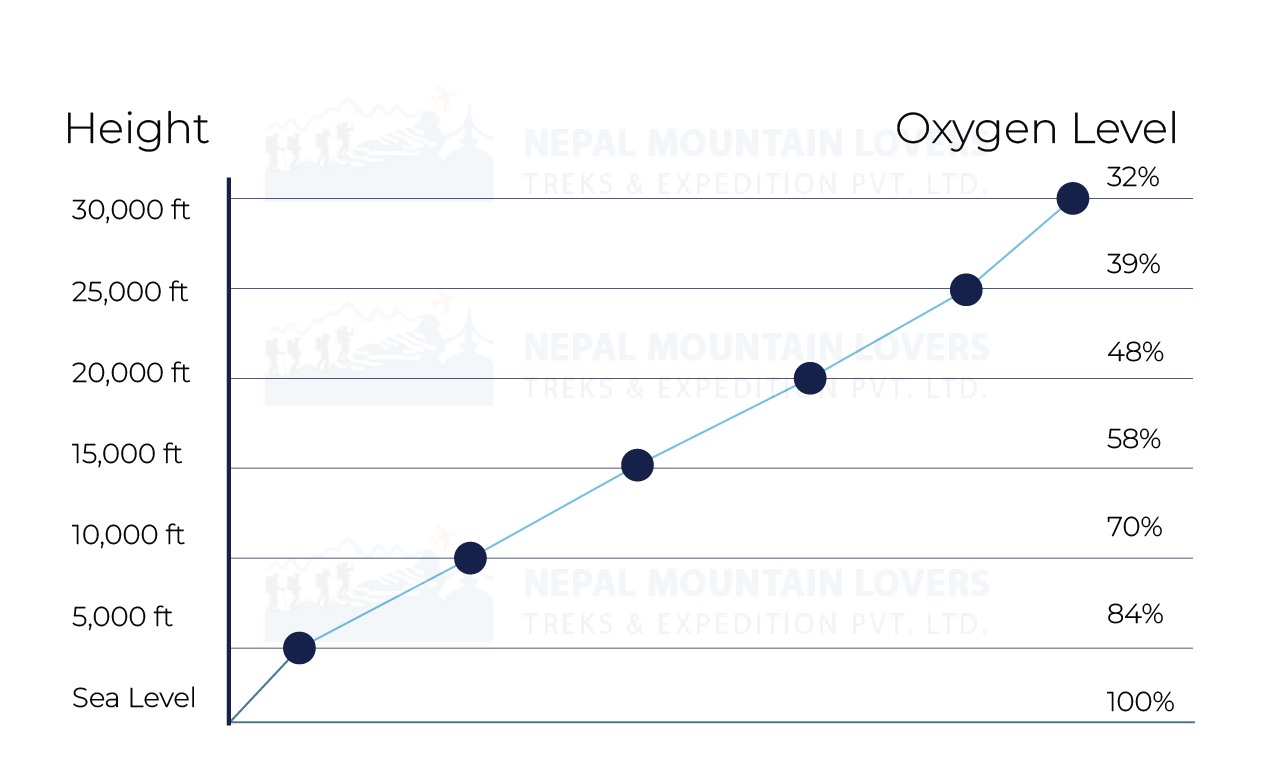
ALTITUDE CHART
Oxygen Level
From: $2,120
Cost Includes
- Pick up and drop transport as mentioned in the itinerary
- Accommodation and breakfast in Kathmandu and accommodation and three meals (breakfast, Lunch, Dinner ) per day during the trekking
- Trekking guide and porters
- National parks’ fees and government royalties for special permit that cost US$ 500 and national park fee US$ 25 per person
- Domestic air ticket and airport tax for tourists and guides as mentioned in the itinerary
- Insurance of our trekking staff members
- Sightseeing in Kathmandu valley or other parts of Nepal as mentioned in the itinerary
Cost Excludes
- International air ticket, airport tax and Nepal visa fees
- All kinds of drink during trekking and travel stay with us
- Travel insurance and cost of medical services of tourists
- All kinds of cloth and personal trekking equipment
- Other personal expenses and tips
- Charted helicopter, plane and other transports in case of emergency
Fixed Departure
| Dates | Remaining Pacs | Price | Action |
|---|
Talk with a travel expert with more than a decade of experience and plan your adventure.
Frequently Asked Questions
It cost USD 1475 per person for 8 days and the cost depends upon the hotels you use and number of Days.
Upper Mustang trek permit cost US$ 500 per person and ACAP permit cost US$ 25.00
Upper Mustang is less touristy trek region in Nepal. The landscape and culture of Upper Mustang is virgin and really amazing. Tibetan culture and tradition is only alive in Mustang. So Upper Mustang is worth to trek.
You can go to Lomanthang by flight and Road both.For detail you can contact us and we will give you detail information.
Yes,there is motor able road to Lomanthang
Lomanthang is about 90 kilometers from Jomsom.
Upper Mustang trek is moderate trek.
You can go to Lomanthang by flight and Road both.For detail you can contact us and we will give you detail information.info@nepalmtlovers.com
Upper Mustang is a remote region in the north-central part of Nepal, bordering Tibet. It was a restricted kingdom until 1992.It is very popular for its unique Tibetan culture and dramatic desert landscape.
Yes. Upper Mustang is a restricted area so you need special permit and that costs US$ 500 for the first 10 days and US$ 50 per additional day. You also need a Annapurna conservation area project permit too. It costs US$ 25.
The standard upper mustang treks needs around 12- 15 days ,depending on your starting point and itinerary. Nowadays there is road access so you can make it still short according to your needs. Like a 6-8 days.
Basic Tea houses and lodges are available in most camping sites. But in Lomanthang you can get attached bath room.
Yes, acclimatization is necessary in upper mustang trek though the trekking trail do not lead higher elevation then 3800 meters. It is no necessary to stay extra night at the same destination for the acclimatization purpose. But it is better to walk slowly and drink enough water.
No. Solo trekking is not allowed in upper mustang. You must trek with government registered licensed guide and needs minimum 2 tourists to get the permit. For the single tourist government of Nepal does not issue the permit.
Upper mustang is unique for several reasons.
1.Cultural preservation
2.Walled city of Lomanthang
3.Restricted area
4.Desert Landscape
5.Ancient caves
6.Buddhist Monasteries
7.Tiji Festival
Gear List
What to Pack for Your Trek
Because comfortable hotels, tea houses, restaurants, and shops are available along most trekking routes, you do not need to carry a large amount of equipment. Pack only the essentials and keep your backpack as light as possible.
Essential Items
Backpack: 40–50 liters, preferably with outside pockets for small items
Trekking boots: Comfortable, well-broken-in, and waterproof
Lightweight shoes or sandals: For use at the hotel or tea house
Warm clothing: Fleece or wool sweater, down jacket, warm gloves, and a warm hat
Trekking clothes: T-shirts, shirts, comfortable trekking pants, underwear, and a few pairs of socks
Rain protection: Waterproof jacket or raincoat; an umbrella can also be useful
Sun protection: Sunglasses, sunscreen, and a sun hat
Water bottle: Reusable 1-liter bottle or hydration system
Sleeping bag: Recommended for higher-altitude or colder treks; it can usually be rented in Kathmandu
Headlamp: With spare batteries
Personal toiletries: Toothbrush, toothpaste, hand sanitizer, tissues, and other personal necessities
Personal medication: Any medicines you normally need, plus a small basic first-aid kit
Mobile phone and charger/power bank
Camera: If you want to photograph the scenery
Important Documents
Passport and required trekking permits/documents
Travel insurance details
Emergency contact numbers for your trekking agency and embassy/consulate
Keep Your Backpack Light
You can buy or replace many basic items along the trekking route if necessary. There is no need to carry excessive food, clothing, or other supplies from Kathmandu. Your trekking agency can also advise you about what is necessary for your particular route, season, and altitude.
SUPPORT
Important Information before Your Trip to Nepal
Please read the following information carefully before booking your trip with Nepal Mountain Lovers Treks and Expedition. These guidelines explain payment, accommodation, trekking arrangements, visas, insurance, luggage, and other important matters.
- Payment and Booking
Deposit: A 20% deposit of the total trip cost is required to confirm your booking.
Balance Payment: The remaining balance can be paid at our office after your arrival in Kathmandu and before you begin your trek or tour.
- Airport Arrival and Pickup
Our representative will meet you at Tribhuvan International Airport in Kathmandu.
Our representative will be holding a Nepal Mountain Lovers Treks and Expedition signboard with your name or our company name.
If your flight schedule changes or you have any changes to your arrival plans, please inform us as soon as possible.
- Booking Your International Flight
If you do not have a regular travel agent, you can compare international flight prices through reputable online travel websites. We recommend checking several websites before purchasing your ticket.
- Accommodation
In Kathmandu, Pokhara, and other cities, we arrange comfortable tourist-standard hotels or resorts.
During trekking, accommodation is normally provided in tea houses, lodges, or hotels along the route. Most popular trekking routes now have comfortable lodges, restaurants, and shops.
Twin-sharing rooms are normally provided for two people.
Single rooms are available at an additional cost where available.
Single-room supplements depend on the trek and accommodation availability.
- Trekking Guide and Porters
A qualified trekking guide will lead your trek. Porters and assistant guides will be arranged according to the size and requirements of your group and the particular trekking route.
Your guide will assist you with the trekking route, accommodation, meals, safety, and other necessary arrangements.
- Group Size
Our normal trekking groups have a maximum of 12 people, unless a different group size is agreed upon for a particular trip.
- Currency and Payment in Nepal
The Nepalese Rupee (NPR) is the local currency.
Major currencies such as USD, AUD, EUR, GBP, and CAD can be exchanged at authorized money exchanges and banks.
Credit and debit cards are accepted at many hotels, restaurants, and businesses in major cities, although cash is recommended during trekking.
ATMs are widely available in Kathmandu and other major cities, but ATM services may be limited in remote trekking areas.
- Altitude and Acclimatization
Altitude sickness can occur when traveling to high elevations, particularly above approximately 2,500–3,000 meters.
Your itinerary will include appropriate rest and acclimatization where required. If you experience symptoms such as headache, dizziness, nausea, unusual tiredness, or difficulty breathing, tell your trekking guide immediately.
Do not continue climbing to a higher altitude without informing your guide.
- Drinking Water
Bottled mineral water, boiled water, and filtered water are available in many places along popular trekking routes.
In remote areas, water may need to be treated using water purification tablets, drops, or a suitable water filter.
We recommend carrying a reusable water bottle or hydration system.
- Laundry
Laundry services are widely available in Kathmandu, Pokhara, and other cities.
Laundry facilities may be limited or unavailable during trekking, particularly in remote areas. We recommend carrying enough clothing for the trek rather than depending on laundry services.
- Nepal Tourist Visa
Most international visitors can obtain a visa on arrival at Tribhuvan International Airport in Kathmandu, subject to Nepal’s current visa rules.
Visa fees and requirements can change, so please check the current fee and requirements before travelling.
You should carry:
A valid passport
Passport-size photographs
Payment for the visa fee
Any other documents required under the current visa regulations
You may also obtain a Nepal visa from a Nepali embassy or consulate before travelling.
- Pre-Trek Orientation
Before your trek begins, our office representative or trekking guide will provide an orientation briefing.
The briefing will cover important information such as:
Trekking route and daily itinerary
Accommodation and meals
Altitude and acclimatization
Safety information
Weather and trekking conditions
Luggage arrangements
Emergency procedures
- Food
During your trip, meals will be provided according to your package.
Popular trekking areas offer a variety of food, including Nepali, Tibetan, Indian, and some international/continental dishes.
Food choices become more limited in remote and high-altitude areas. The food available during trekking may be different from what you normally eat in your home country.
If you have specific dietary requirements, please inform us when making your booking.
- Accommodation and Facilities during Trekking
Popular trekking routes in Nepal have developed significantly. Many trekking villages now have comfortable lodges, restaurants, bakeries, cafés, shops, Wi-Fi, charging facilities, and other basic services.
However, facilities become more basic as you travel into remote or high-altitude areas.
- Mount Everest Views
If your trekking route is in the Everest region, you may have opportunities to see Mount Everest depending on the route and weather conditions.
If your trek is in another region, Mount Everest may not be visible from the trekking route.
Travelers who specifically want to see Mount Everest can also consider a mountain flight from Kathmandu, subject to weather and flight availability.
- Travel Insurance
Travel insurance is compulsory for all trekkers and travelers joining our trips.
Your insurance should provide appropriate coverage for your planned activities and trekking altitude. For high-altitude treks, make sure your policy covers emergency evacuation, including helicopter evacuation when medically necessary, as well as medical treatment and trip-related emergencies.
Please carry your insurance details with you during the trip.
- Personal Expenses
Personal expenses are not normally included unless specifically mentioned in your package.
You may need extra money for:
Drinks and snacks
Wi-Fi and charging
Laundry
Hot showers
Souvenirs and shopping
Tips
Personal purchases
Optional activities
Nepal has many handicrafts and traditional products, including carpets, Thangka paintings, jewelry, handicrafts, clothing, and other souvenirs.
- Luggage during Trekking
The amount of luggage you can take on a trek depends on the particular trekking package and transport arrangements.
For many of our trekking programs, we recommend keeping your main trekking luggage to around 10–15 kg per person.
If you have extra luggage, we can normally store it safely at your hotel in Kathmandu or another suitable location while you are trekking.
- Tips
Tipping is not compulsory, but it is customary and appreciated in Nepal’s tourism industry.
Many travelers choose to give tips to their guides, porters, drivers, and other staff at the end of the trip as a way of thanking them for their service.
Booking Terms and Conditions
By confirming your booking with Nepal Mountain Lovers Treks and Expedition, you agree to the following terms and conditions.
- Balance Payment
The remaining balance must be paid before you begin your trek or tour. If the required balance is not paid as agreed, we reserve the right to cancel the trip arrangements without refund of the amount already paid.
- Emergency Situations
If a major emergency, war, natural disaster, government restriction, or other situation makes travel to Nepal unsafe before your arrival, we will contact you and discuss the available options, including rescheduling or refund arrangements according to the circumstances and applicable policies.
If an emergency occurs after your arrival or during your trek, we will make every reasonable effort to protect your safety and continue your trip where possible. However, additional costs caused by emergencies, changes in transportation, evacuation, accommodation, or changes to the itinerary may be your responsibility.
The itinerary may need to be changed when necessary for safety or operational reasons.
- Government Fees and Additional Costs
Government fees, permits, national park fees, conservation fees, transportation costs, or other official charges may change.
If the government introduces or increases such fees after your booking, the additional cost may need to be paid by the traveler.
- Illegal or Unsafe Activities
All travelers must follow Nepalese laws and the instructions of their trekking guide and group leader.
Any traveler who engages in illegal activities or seriously threatens the safety, security, or welfare of the group may be asked to leave the trip. In such circumstances, no refund will normally be provided.
- Complaints and Problems
If you have any problem or complaint during your trip, please inform your guide, tour leader, or Nepal Mountain Lovers office as soon as possible.
We welcome genuine complaints and will make reasonable efforts to investigate and resolve problems during your trip.
- Travel Documents
You are responsible for keeping your passport, visa, travel insurance documents, permits, tickets, and other personal travel documents safe and available throughout your trip.
Please check that your passport is valid and that you have all documents required for your destination and planned activities.
- Changes to the Itinerary
Trekking and travel in Nepal can be affected by weather, road conditions, flight delays, natural events, government regulations, local conditions, and other circumstances beyond our control.
When necessary, your guide or company representative may adjust the itinerary to protect your safety and ensure the best possible travel experience.
0 of 5 | 0 Review
Less Touristic Area Trekking

14 travellers are considering this tour right now!